

Key takeaways
- A backyard music studio works when the building suits the noise it needs to contain, the climate it has to survive.
A backyard music studio works when the building suits the noise it needs to contain, the climate it has to survive, and the local rules that govern outbuildings. Picking the structure type comes first, followed by insulation, soundproofing, power, and permits.
Musicians turn to backyard studios for the same reasons: space away from the house, fewer complaints from neighbors, and a room that stays set up for practice and recording. The catch is that a bare shed is a poor studio. The guide below walks through the building options, what soundproofing realistically accomplishes, and the practical checks that save money and frustration.
Decide What the Studio Must Do
A drummer needs very different things from a vocalist who records at low volume. Before comparing buildings, write down the main use.
- Practice and rehearsal: Needs space, ventilation, and noise control more than acoustic perfection.
- Recording and mixing: Needs a quiet shell, controlled reflections, and low background noise from air handling.
- Lessons or teaching: Needs comfort, good lighting, and room for a few people.
- Producer or electronic setup: Needs power, cable management, and heat control for equipment.
Loud acoustic instruments, especially drums, push the project toward heavy construction, while quiet electronic work can succeed in a lighter, more affordable structure.
Types of Backyard Studio Buildings
Prefabricated Studio Pods and Garden Rooms
Insulated garden rooms are built as ready-to-assemble kits or delivered as finished units. They typically include insulated walls, a proper floor, and electrical readiness. These are the most convenient choice and usually the easiest to make warm and quiet, though they cost more than a basic shed.
Converted Sheds
A well-built wooden shed can become a studio with added insulation, drywall, and a floor. It is the cheapest route when the owner can do the work, but thin shed walls leak sound and temperature. A shed intended for studio use should have a solid foundation and a structure strong enough to take extra weight.
Kit Cabins and Timber-Frame Buildings
Larger log or timber cabins offer more floor space and a sturdy shell. Thicker walls reduce noise somewhat, and the room can be partitioned for a control room and a live room. They need a level base and more planning, and they usually trigger permit requirements.
Custom Builds
For serious recording, a purpose-built room with decoupled walls, double-layer drywall, and a floating floor is the best route. It costs the most and takes the longest, but it is the only reliable path to quieting loud instruments.
Soundproofing Versus Acoustic Treatment
These are separate jobs that often get confused. Soundproofing stops sound from passing through the walls. Acoustic treatment shapes how sound behaves inside the room.
Soundproofing depends on mass, airtightness, and decoupling. Heavy layers such as dense drywall, sealed gaps, and isolation clips or resilient channels break the path sound travels. Foam panels on the wall do almost nothing to stop noise leaving the room. The weakest point is usually the door or the window, so a solid-core door with good seals and a double-glazed or removable window plug makes a large difference.
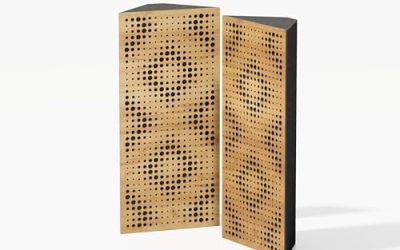
Acoustic treatment uses absorbers, bass traps, and diffusers to control echo and low-frequency buildup. Even a small studio benefits from panels at first reflection points and traps in the corners. Most small rooms struggle with bass, so thicker absorbers placed in corners are more valuable than thin foam.
Insulation, Ventilation, and Climate
A studio that is too cold or too hot will go unused. Insulation keeps the temperature comfortable and also helps with sound. Walls, ceiling, and floor all need attention, and condensation control matters in damp climates.
Ventilation is easy to overlook and hard to fix later. A sealed, soundproofed room gets stuffy fast. Quiet inline fans, heat-recovery ventilation, or a ducted system with sound traps let fresh air in without letting noise out. A mini-split heat pump is a quiet way to heat and cool, but its indoor unit should be positioned away from microphones.
Moisture also harms instruments and gear. A vapor barrier, a raised floor, and decent ventilation protect guitars, drums, and electronics from swelling and corrosion.
Power, Lighting, and Connectivity
An outbuilding needs a safe electrical supply. A dedicated circuit run from the house panel by a licensed electrician is the reliable method, and extension cords across the lawn are not. Plan for more outlets than seem necessary, a separate circuit for lighting to reduce noise on audio gear, and surge protection for equipment.
Internet is another consideration. A buried Ethernet cable or a mesh Wi-Fi node with a strong signal helps for streaming, collaboration, and online lessons. Dimmable lighting and non-buzzing fixtures keep recordings clean.
Permits, Placement, and Neighbors
Rules vary a great deal. Many areas limit the size, height, and distance from property lines for outbuildings, and some require permits when the structure has electricity or exceeds a certain floor area. Homeowners’ associations may have additional restrictions. Checking with the local planning office before purchase avoids expensive surprises.
Placement also affects noise. Positioning the studio so that the door and any vents face away from neighbors, and using landscaping such as dense planting or a fence as a secondary buffer, reduces complaints. Distance from the property line is the cheapest form of soundproofing.
Common Mistakes
- Treating foam as soundproofing. Foam tames echo but does not stop noise passing through walls.
- Forgetting the door and window. A single weak seal can undo the rest of the wall.
- Skipping ventilation. A sealed room without airflow becomes unusable in minutes.
- Using the cheapest foundation. A shifting base cracks drywall and opens gaps in seals.
- Running power as an afterthought. Poor wiring is a safety risk and a source of hum.
- Not checking permits. A building ordered before approval can be forced to come down.
Layout Ideas That Make a Small Studio Work
Small rooms reward careful layout. Placing the main listening position along the shorter wall, rather than in the middle of the room, usually gives a more even bass response. Keeping desks and racks slightly away from walls leaves space for airflow and cable runs, and a wall-mounted shelf keeps microphones and stands off the floor. Players who rehearse as well as record may want a clear corner for instruments, so the mixing area stays tidy.
Lighting and comfort count too. Warm, dimmable lights reduce eye strain during long sessions, and a rug over the floor softens reflections and footsteps. A small table or shelf for notes, drinks, and chargers keeps clutter away from the gear, which also reduces the chance of spills near electronics.
Budget Tiers Without the Numbers
The entry tier is a converted shed with basic insulation and treatment, suitable for acoustic practice at modest volumes and electronic production. The middle tier is a prefabricated insulated garden room or cabin, upgraded with sealed doors and a ventilation system, which suits most home recordists and teachers. The premium tier is a purpose-built studio with a decoupled shell, floating floor, and proper HVAC, aimed at loud instruments and serious recording.
Buying Checklist
- Define the main use and the loudest instrument that will be played.
- Check local rules on size, distance, electricity, and permits.
- Choose a structure with a solid base and enough wall thickness to insulate.
- Plan soundproofing and acoustic treatment as separate tasks.
- Budget for ventilation, a heat pump or heater, and a solid-core door.
- Arrange safe power and consider network access.
Related guides
- Bluetooth Turntables For Vinyl Beginners
- Condenser Microphones For Home Studios
- Acoustic Guitars Under 500 Dollars
Frequently Asked Questions
Can a backyard shed be fully soundproof?
Not realistically. A shed can be made much quieter with mass, sealing, and decoupling, but loud instruments like drums will still leak sound unless the building is built to a studio standard. Controlling volume and choosing the placement helps further.
Is permission needed to build a backyard studio?
Often yes, particularly when the structure is large, wired for electricity, or close to a property line. Rules differ by city and county, so it is best to contact the local planning department before ordering anything.
What is the best size for a small music studio?
For solo recording and a few instruments, a room of roughly 8 by 10 feet works. Bands or drum setups need considerably more floor area and ceiling height to sound balanced.
How can the studio stay cool without making noise?
A ductless mini-split heat pump runs quietly and handles both heating and cooling. Positioning the indoor unit away from microphones and using insulated ductwork keeps fan noise from reaching recordings.
More from Amazon
Programs that pair well with the guide above. Offers and eligibility are set by Amazon and may change.
Free shipping on eligible items, Prime Video and more. Eligible new members can start with a free trial.
Start a Prime free trialAudiobooks and podcasts to listen to on the go. Eligible new members can start with a free trial.
Try Audible freeAd-free music streaming. Eligible new subscribers can start with a free trial.
Try Music Unlimited freeA free business account with business pricing and bulk-buying tools for work, shop or home office.
Create a business accountAs an Amazon Associate we earn from qualifying purchases.



Write Your Review
No reviews yet. Be the first to share your experience!