
Our Short List of 3

- Best for: Directors of women’s and mixed choirs who want a strobe-checked C range pipe.
- Range: C to C, 13 chromatic notes
- Reeds: 13 hand-tuned brass reeds, harmonica quality
- Tone chambers: extra-tight, non-leaking design
- Covers: blue ABS top, brass-plated bottom, embossed note lettering

- Best for: Directors who want an E range pipe from an established reed maker.
- Model: P-13E
- Tones: 13 chromatic tones
- Standard pitch: A = 440 Hz
- Scale: E to E

- Best for: Performers who give themselves a starting note in low light or mid-set.
- Range: C to C, 13 chromatic notes
- Note selector: sliding mouthpiece that clicks into position
- Body: chrome-plated, brass material
- Included: velvet-lined case holder
All 5 Picks at a Glance
| Product | Specs | Action |
|---|---|---|
| Performance Plus CP-C Vocal Chromatic Pitch Pipe |
| Check price on Amazon |
| Tombo P-13E Chromatic Tuning Whistle |
| Check price on Amazon |
| WubbaLubba Pitch Pipe Tuner |
| Check price on Amazon |
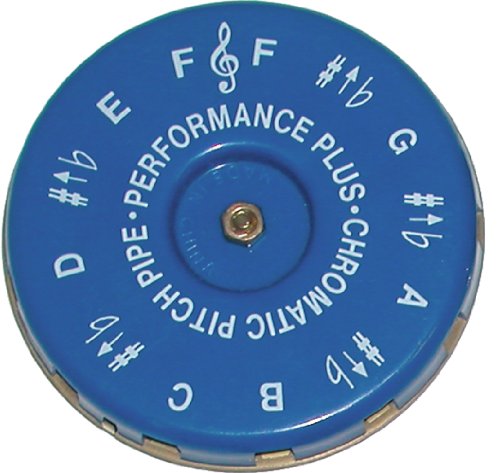 Performance Plus CP-F Vocal Chromatic Pitch Pipe |
| Check price on Amazon |
 Bonsicoky C-C Pitch Pipe, 13 Tones |
| Check price on Amazon |
Key takeaways
- Compare five chromatic pitch pipes for singers and choirs, from the Performance Plus C to C to the Tombo E scale, with range and reed checks to make first.
An a cappella set lives or dies on its first note. Give a choir the wrong starting pitch and every entrance after it drifts, so the small disc a director pulls from a pocket carries more weight than its size suggests. The real decision is which range and reed layout match the voices in front of you, because a pipe voiced too high or too low makes singers strain before the song even begins.
This guide is for choir directors, a cappella singers, barbershop quartets and voice teachers who want a reliable starting note without batteries or apps. Every pick below is a 13-note chromatic pitch pipe chosen from its Amazon listing title and stated specifications: range, reed count, note selector style and what the listing includes in the box.
Quick Picks
As an Amazon Associate we earn from qualifying purchases
| Product | Best for | Key spec from title |
|---|---|---|
| Performance Plus CP-C Vocal Chromatic Pitch Pipe | Higher voices and mixed choirs | 13-note chromatic range, C to C, with carrying bag |
| Tombo P-13E Chromatic Tuning Whistle | Directors who want a Japanese-made E scale pipe | 13 chromatic tones, E scale, A 440 Hz reference |
| WubbaLubba Pitch Pipe Tuner | Singers who keep losing their place on the dial | Sliding note selector with velvet-lined case |
| Performance Plus CP-F Vocal Chromatic Pitch Pipe | Lower voices and men’s choruses | 13-note chromatic range, F to F, with velvet bag |
| Bonsicoky C-C Pitch Pipe, 13 Tones | A spare pipe for the rehearsal bag | 13 tones, C to C note selector, silver finish |
How to Choose
Match the range to the voices you lead
Chromatic pipes come in fixed ranges, and the range decides where the octave sits against your singers. A C to C pipe centers on the range most women’s and mixed choirs use, while an F to F pipe sits lower and suits men’s choruses and bass-heavy quartets. The Tombo in this guide runs E to E, between the two. Check the range printed in the listing title before anything else: a beautifully made pipe in the wrong octave still forces your singers to jump up or down a fourth before the first chord locks in.
Count the reeds and check how they are tuned
Every pipe here carries 13 reeds, one per semitone plus the repeated tonic, so any key is available without transposing in your head. What separates listings is how the maker verifies tuning. Performance Plus states its brass reeds are hand-tuned and checked on strobe testers, with extra-tight tone chambers that resist air leaks between notes. Leaky chambers blur the pitch and waste breath, which matters when you blow the same note six times in a rehearsal. Prefer listings that name the reed material and the tuning check over ones that only say chromatic.
Pick a note selector you can work by touch
On a plain dial pipe you rotate the disc and read the letter printed beside each hole, which works fine under rehearsal-room lights. A sliding selector, like the one on the WubbaLubba, clicks a mouthpiece into place over the chosen note, so you can find it by feel in a dark auditorium or mid-performance. Embossed lettering, which Performance Plus uses on both covers, also helps when lighting is poor. Think about where you actually give pitches: on a lit stage a printed dial is enough, in the wings the click of a selector earns its keep.
Look at what the listing includes and how the pipe is stored
A pitch pipe lives in pockets, choir folders and gig bags, so the case is not a bonus, it is protection for the reeds. Most listings here include a pouch, bag or velvet-lined case; check the current listing text because included accessories change between sellers. Storage also affects tuning over time, since a bent cover plate or a reed clogged with pocket lint will not speak cleanly. A pipe that ships with its own case, kept closed between uses, holds its pitch longer than one rattling loose in a bag.
The 5 Best Options
Performance Plus CP-C Vocal Chromatic Pitch Pipe
- Best for: Directors of women’s and mixed choirs who want a strobe-checked C range pipe.
- Range: C to C, 13 chromatic notes
- Reeds: 13 hand-tuned brass reeds, harmonica quality
- Tone chambers: extra-tight, non-leaking design
- Covers: blue ABS top, brass-plated bottom, embossed note lettering
Directors of women’s and mixed choirs who want a strobe-checked C range pipe.
The same brand sells an F to F version on a separate listing, so confirm the variant named in the title before ordering.
Choir directors who start songs for sopranos and altos will find the C to C range of this pipe sits right where those voices settle. Performance Plus builds it with 13 hand-tuned brass reeds in tight, non-leaking tone chambers, and the scale is embossed on both covers so the note names stay readable after years of handling. It ships with a soft royal blue carrying pouch, and the listing describes strobe-tested tuning, which is the strongest accuracy claim any maker in this group puts in writing.
Tombo P-13E Chromatic Tuning Whistle
- Best for: Directors who want an E range pipe from an established reed maker.
- Model: P-13E
- Tones: 13 chromatic tones
- Standard pitch: A = 440 Hz
- Scale: E to E
Directors who want an E range pipe from an established reed maker.
The E scale sits higher than an F pipe and lower than a C pipe, so check it against your choir’s usual starting keys first.
Tombo has made reed instruments in Japan for over a century, and its P-13E pitch pipe follows the same circular 13-tone layout as the pipes above, tuned to the A 440 Hz standard. The difference is the range: this one runs on an E scale, which places its octave between the common C and F pipes and suits directors whose groups start most songs in mid-range keys. The manual lists a brass body at under two ounces, light enough to hold between two fingers while the other hand cues an entrance.
WubbaLubba Pitch Pipe Tuner
- Best for: Performers who give themselves a starting note in low light or mid-set.
- Range: C to C, 13 chromatic notes
- Note selector: sliding mouthpiece that clicks into position
- Body: chrome-plated, brass material
- Included: velvet-lined case holder
Performers who give themselves a starting note in low light or mid-set.
Confirm the current listing still bundles the velvet-lined case, since the selector needs that protection in a crowded gig bag.
The problem this pipe solves is fumbling: instead of rotating a disc and squinting at letters, you slide the mouthpiece along the scale until it clicks over the note you want, then blow. The chrome-plated body covers a 13-note chromatic range from C to C, and the maker includes a velvet-lined case that keeps the slide mechanism clean in a bag. For a singer who has to find a pitch quietly at the side of a stage, that positive click is worth more than any other feature on this page.
Performance Plus CP-F Vocal Chromatic Pitch Pipe
- Best for: Men’s choruses and barbershop quartets that start songs in lower keys.
- Range: F to F, 13 chromatic notes
- Reeds: 13 hand-tuned brass reeds, harmonica quality
- Tone chambers: extra-tight, non-leaking design
- Covers: embossed note lettering on top and bottom
Men’s choruses and barbershop quartets that start songs in lower keys.
Third-party listings for this model have shown it sold out, so check that the Amazon listing shows a current offer before you rely on it.
Lower voices need a lower octave, and this is the F to F counterpart to the CP-C above, built the same way: 13 hand-tuned brass reeds, tight tone chambers, embossed lettering on both covers and strobe-tested tuning from the same maker. Barbershop leads and men’s chorus directors are the natural audience, because the F range keeps starting notes inside a comfortable bass and baritone register instead of asking singers to reach down from a C pipe’s lowest notes. It comes with a velvet carrying bag rather than the CP-C’s pouch.
Bonsicoky C-C Pitch Pipe, 13 Tones
- Best for: Teachers and section leaders who need an inexpensive working spare.
- Tones: 13
- Range: C to C with note selector
- Finish: silver
- Model: JR230524024
Teachers and section leaders who need an inexpensive working spare.
The note markings on budget discs can be small, so check the listing photos for lettering size if you read pitches at arm’s length.
Not every group needs a director-grade pipe; sometimes the job is simply to have a working spare in the rehearsal room, the classroom and the second choir folder. This Bonsicoky disc covers the standard 13 tones from C to C with a rotating note selector and a silver finish, in the same pocketable format as the rest of this guide. Music teachers who hand a pipe to students, and section leaders who only occasionally give the note, get the full chromatic set here without paying for the premium reed work above.
Which One Fits Your Situation
You direct a women’s or mixed choir
Start with the Performance Plus CP-C. Its C to C octave matches the starting keys most mixed and women’s groups use, the embossed lettering survives heavy handling, and the strobe-tested reeds give you a note you can defend when a section leader questions it. The Tombo P-13E is the alternative if your repertoire clusters in mid-range keys and you prefer its E scale placement.
You sing in a men’s chorus or barbershop quartet
The Performance Plus CP-F is voiced for you. Its F to F range keeps the tonic within reach of basses and baritones, so nobody has to grope for a note below their comfortable register. Because listings for this model have shown it sold out through other sellers, confirm a live Amazon offer first, and treat the CP-C as the fallback if your quartet sings most charts in higher keys.
You perform a cappella and give your own starting note
Take the WubbaLubba. On stage you rarely get to study a dial, and its sliding selector clicks onto the note by feel, so you can find the tonic in the dark and blow one quiet reference tone before the group enters. The velvet-lined case also keeps the slide free of the lint that collects in a performer’s bag.
You teach classes and need more than one pipe
Buy the Bonsicoky as your classroom and loaner pipe, and keep one better pipe, the CP-C or the Tombo, as the reference you tune against. Students are hard on small instruments, and a low-cost disc that covers the same C to C range lets you hand out a pipe per section without worrying about the loss of a premium one.
Common Mistakes
- Buying the wrong range: a C to C pipe will not comfortably serve a men’s chorus, and an F to F pipe sits low for a children’s choir, so match the octave to the voices first.
- Blowing too hard: pitch pipes speak at a gentle, steady breath, and forcing air through the reed bends the note sharp and wears the reed out faster.
- Storing the pipe loose in a bag: pocket lint and grit clog the tone chambers, so keep the pipe in the case or pouch its listing includes.
- Assuming every chromatic pipe is tuned alike: listings vary in how tuning is verified, so favor makers that state a strobe or hand-tuning check.
- Sharing pipes without cleaning them: a pitch pipe goes directly to the lips, so wipe the mouthpiece area between users in group settings.
Frequently Asked Questions
What is the difference between a C to C and an F to F pitch pipe?
Both pipes contain the same 13 chromatic notes, but the octave sits in a different place. A C to C pipe centers higher and suits women’s and mixed choirs, while an F to F pipe centers lower for men’s voices. The right choice is whichever range keeps your group’s usual starting notes in a comfortable register.
Can a pitch pipe be used to tune instruments as well as voices?
Yes. Any chromatic pipe gives a reference tone for each semitone, so string and wind players can match individual notes by ear. It will not replace a clip-on tuner for setting a whole instrument quickly, but for checking one pitch, or for ear training, the pipe is often faster and needs no batteries.
How long do the reeds in a pitch pipe last?
The listings do not promise a service life, and reeds fail mainly through abuse rather than age: hard blowing, moisture left inside the chambers and grit from loose storage. Blow gently, let the pipe dry after use and keep it cased, and a brass-reed pipe should hold its tuning through years of rehearsals.
Why does my pitch pipe sound flat or sharp?
Breath pressure is the usual cause. Too much air pushes the reed sharp, too little lets it sag flat, and a clogged tone chamber can distort a single note while the rest sound fine. Test the suspect note against a piano or tuner app, clean the chamber area, and blow with the same gentle pressure you would use to fog a mirror.
More from Amazon
Programs that pair well with the guide above. Offers and eligibility are set by Amazon and may change.
Free shipping on eligible items, Prime Video and more. Eligible new members can start with a free trial.
Start a Prime free trialAudiobooks and podcasts to listen to on the go. Eligible new members can start with a free trial.
Try Audible freeAd-free music streaming. Eligible new subscribers can start with a free trial.
Try Music Unlimited freeA free business account with business pricing and bulk-buying tools for work, shop or home office.
Create a business accountAs an Amazon Associate we earn from qualifying purchases.



Write Your Review
No reviews yet. Be the first to share your experience!