
Our Short List of 3
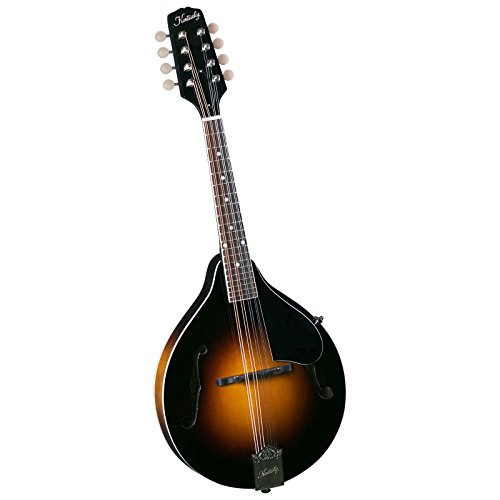
- Best for: Players stepping up to their first all-solid instrument
- Body style: A-style
- Top: Solid German spruce, hand-carved and graduated
- Back and sides: Solid Alpine maple
- Neck: Slim maple with rosewood fingerboard
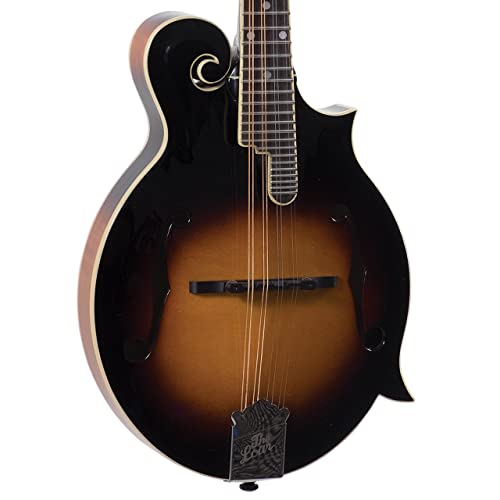
- Best for: Bluegrass players who want the scroll with a carved top
- Body style: F-style
- Top: Solid hand-carved spruce, fully graduated
- Back and sides: Solid hand-carved maple back, solid maple sides
- Neck: Maple with rounded V profile

- Best for: Folk and classical players who prefer a satin, understated build
- Body style: A-style with F-holes
- Top: Solid spruce, hand-carved
- Back and sides: Solid maple, hand-carved
- Fingerboard: Ebony
All 5 Picks at a Glance
| Product | Specs | Action |
|---|---|---|
| Kentucky KM-150 Standard A-Model Mandolin |
| Check price on Amazon |
| The Loar LM-520-VS Performer F-Style Mandolin |
| Check price on Amazon |
| Eastman MD305 A-Style Mandolin |
| Check price on Amazon |
 Eastman MD315 F-Style Mandolin |
| Check price on Amazon |
 Kentucky KM-250 Artist A-Model Mandolin |
| Check price on Amazon |
Key takeaways
- Five carved, all-solid mandolins for players stepping up from a first instrument, comparing A-style and F-style bodies, tonewoods and hardware.
A first mandolin usually teaches you two things: the tunes you love, and exactly where a pressed top and a wobbly bridge start to hold you back. The step up from a starter kit is where carved solid wood takes over. A hand-graduated spruce top moves more air, chop chords land harder, and single notes carry the woody bark that bluegrass, old-time, and folk players chase.
This guide gathers five acoustic mandolins built around that idea: all-solid A-style and F-style instruments from Kentucky, The Loar, and Eastman. They suit players who already know their way around G, D, A, and E tuning and want an instrument that rewards better technique instead of masking it. Each pick below lists the specs that matter, where it fits best, and the compromise it asks in return.
Quick Picks
As an Amazon Associate we earn from qualifying purchases.
| Product | Best for | Key spec from title |
|---|---|---|
| Kentucky KM-150 Standard A-Model | First all-solid upgrade | Solid German spruce top |
| The Loar LM-520-VS Performer | F-style bluegrass scroll | Hand-carved solid maple back |
| Eastman MD305 A-Style | Handcrafted satin build | Ebony fingerboard, bone nut |
| Eastman MD315 F-Style | F-style with gig bag included | Carved solid spruce top |
| Kentucky KM-250 Artist A-Model | Radiused fingerboard comfort | Solid maple back and sides |
How to Choose
A-style or F-style body
The A-style teardrop and the F-style scroll body use the same scale, the same tuning, and broadly the same carved top, so the choice is mostly about budget and looks. Because the scroll and points take extra carving time, an F-style almost always costs more than an A-style built from identical wood. If your money is limited, an A-style puts more of it into tonewood and hardware. If the Florentine silhouette is the mandolin you picture on stage, the F-style premium is simply part of the instrument.
Carved solid wood versus laminate
Every pick in this guide is all-solid, and that is the real dividing line above starter instruments. A hand-carved, graduated spruce top flexes in a way a pressed or laminated top cannot, which brings volume, a faster response to the pick, and tone that keeps opening up as the wood ages. Laminate backs are fine on a first instrument, but a solid maple back adds projection and a harder chop. Check the listing wording carefully: solid top alone is a smaller step than solid wood throughout.
Sound holes, scale, and neck feel
Most carved mandolins here share a scale just under fourteen inches, yet they feel different in the hand. F-holes give a focused, cutting voice that suits bluegrass rhythm work, while an oval hole sounds rounder and sweeter for folk and classical lines. Neck shape matters over long sessions too: a rounded V profile fills the palm, a slim neck suits smaller hands, and a radiused fingerboard eases barre chords and fast position shifts. Nut width near one and an eighth inches is the common middle ground.
Setup, hardware, and what is in the box
A floating bridge is held only by string tension, so it can shift in shipping and spoil intonation on any of these instruments. Budget for a professional setup, or at least check bridge position and action before judging the tone. Ebony bridges, bone nuts, and name-brand tuners hold adjustment better than generic hardware. Finally, read the listing for case inclusion: some of these mandolins ship with a padded gig bag, others with nothing, and a solid-wood instrument should not travel unprotected.
The 5 Best Options
Kentucky KM-150 Standard A-Model Mandolin
- Best for: Players stepping up to their first all-solid instrument
- Body style: A-style
- Top: Solid German spruce, hand-carved and graduated
- Back and sides: Solid Alpine maple
- Neck: Slim maple with rosewood fingerboard
Players stepping up to their first all-solid instrument
No case or gig bag is listed with this version, and it still benefits from a professional setup
The KM-150 is the reference point for an affordable all-solid mandolin, and it earns that spot with wood rather than decoration. The top is solid German spruce, hand-carved and graduated, over solid Alpine maple back and sides, so the chop is dry, loud, and focused. A slim maple neck, rosewood fingerboard, and traditional snakehead peghead keep the feel familiar to anyone moving up from a starter instrument. It looks plain next to a scroll body, but that plainness is the point: the budget went into the carved top and the adjustable bridge instead of binding and inlay.
The Loar LM-520-VS Performer F-Style Mandolin
- Best for: Bluegrass players who want the scroll with a carved top
- Body style: F-style
- Top: Solid hand-carved spruce, fully graduated
- Back and sides: Solid hand-carved maple back, solid maple sides
- Neck: Maple with rounded V profile
Bluegrass players who want the scroll with a carved top
The case is sold separately, and the long fingerboard extension can click under heavy flatpicking
The LM-520-VS is the F-style most advancing players land on, because it delivers the scroll with genuinely carved wood behind it. The spruce top is hand-carved and fully graduated, the maple back is hand-carved as well, and the hardware rises above budget grade: a compensated adjustable ebony bridge, a bone nut, and Grover tuning machines. The rounded V neck profile fills the hand comfortably through long jam sessions. Its voice is bright and projecting, with the bark bluegrass rhythm playing demands, and the vintage sunburst gloss finish looks the part on stage.
Eastman MD305 A-Style Mandolin
- Best for: Folk and classical players who prefer a satin, understated build
- Body style: A-style with F-holes
- Top: Solid spruce, hand-carved
- Back and sides: Solid maple, hand-carved
- Fingerboard: Ebony
Folk and classical players who prefer a satin, understated build
Satin finishes show handling marks sooner than gloss, and no case is included
Eastman builds the MD305 by hand in small workshops, and the satin nitrocellulose finish gives it a different character from the gloss Kentucky models. The all-solid build pairs a hand-carved spruce top with a hand-carved maple back, an ebony fingerboard, and a bone nut, and the result is a warm, open, woody voice that flatters folk, Celtic, and classical repertoire as much as bluegrass. The understated Classic finish and simple appointments keep the focus on the woodwork. Players who find high-gloss instruments slippery or showy often settle happily on this one.
Eastman MD315 F-Style Mandolin
- Best for: Advancing players who want an F-style that arrives with a gig bag
- Body style: F-style with F-holes
- Top: Carved solid spruce
- Back and sides: Carved solid maple
- Fingerboard: Ebony
Advancing players who want an F-style that arrives with a gig bag
A padded gig bag is not flight protection, so regular air travel calls for a hard case
The MD315 is Eastman’s entry point into F-style ownership, built with the same hand-carved approach as its A-style sibling. A carved solid spruce top and carved solid maple back and sides give it a crisp, clean voice with strong projection, and the ebony fingerboard and adjustable ebony bridge are hardware you usually meet a tier higher. Helpfully, this listing includes a padded gig bag, which removes the first accessory purchase most buyers face. It suits advancing players who want the scroll silhouette and Eastman’s satin-toned workmanship without moving into the brand’s upper series.
Kentucky KM-250 Artist A-Model Mandolin
- Best for: Players who want a radiused fingerboard for longer, easier sessions
- Body style: A-style
- Top: Solid spruce
- Back and sides: Solid maple
- Fingerboard: Radiused rosewood
Players who want a radiused fingerboard for longer, easier sessions
The factory strings are a common first upgrade, and a case is not included
The KM-250 sits a step above the KM-150 in Kentucky’s Artist line, and its headline difference is under your fingers: a radiused fingerboard that makes barre chords and long practice sessions noticeably easier on the fretting hand. The build stays traditional, with a solid spruce top, solid maple back and sides, and a traditional sunburst finish, and the tone leans crisp and bright with strong projection for rhythm work. For players who love the A-style value argument but want a comfort upgrade over the standard flat board, this is the natural Kentucky to shortlist.
Which One Fits Your Situation
Your starter kit is holding you back
If your first mandolin has a laminated top and you can hear it ceiling out on hard chop chords, the Kentucky KM-150 is the cleanest upgrade path. The all-solid carved build answers pick attack directly, the traditional layout keeps your existing technique relevant, and the money saved over a scroll body can fund the setup that makes it play its best.
You play bluegrass and want the scroll
Bluegrass is the one setting where the F-style shape carries real stage tradition, and the Loar LM-520-VS backs the look with a hand-carved, fully graduated top and back. Its bright, barking voice is voiced for exactly the offbeat chop and cutting breaks the genre runs on, and the bone nut and ebony bridge hold tuning through a long set.
You prefer folk, Celtic, and classical repertoire
Softer dynamics and longer melodic lines reward the Eastman MD305. Its satin finish and ebony fingerboard give it a warm, woody response that sits comfortably under a melody, and the slightly narrower bone nut suits precise single-note work. It also looks at home in settings where a glossy scroll body would feel overdressed.
You gig and travel with your instrument
Regular rehearsals and local gigs argue for the Eastman MD315, simply because the padded gig bag in the box means the mandolin is protected from day one. The carved solid wood delivers stage volume without a pickup, and the adjustable ebony bridge makes intonation checks quick when the instrument moves between heated rooms and cold car boots.
Common Mistakes
- Paying for a scroll when the same budget buys better wood and hardware in an A-style body
- Skipping the setup budget, then blaming the mandolin for high action or sour intonation
- Judging an instrument by gloss and binding instead of whether the top and back are solid wood
- Leaving the floating bridge wherever shipping placed it instead of setting its position for correct intonation
- Storing a solid-wood mandolin in a dry, heated room all winter without any humidity care
Frequently Asked Questions
Is an F-style mandolin louder than an A-style?
Not in any way you can count on. With the same carved top and back, an A-style and an F-style project about equally; the scroll and points are carved decoration, not sound chambers. What changes volume is the graduation of the top, the bridge fit, and the setup, which is why an all-solid A-style often outplays a cheaper F-style.
What does hand-carved actually change?
A carved top is shaped with hand tools and graduated, meaning its thickness varies deliberately from the centre to the edges. That lets the plate flex and pump air in a controlled way, which brings stronger volume, quicker response, and more tonal complexity than a top pressed into shape. It is the main reason the instruments in this guide sit above starter kits.
Do these mandolins need a setup out of the box?
Plan on one. Bridges are floating and can shift in transit, factory action is often set conservatively high, and fretwork at this level rewards a light dressing. A setup covers bridge placement, nut slot depth, and intonation, and it is the single most effective upgrade you can buy for any carved mandolin in this guide.
Which strings should I fit when the factory set wears out?
Any standard loop-end mandolin set in G, D, A, E tuning suits these instruments. Light gauges keep the feel easy for folk and melody playing, while medium gauges add chop volume for bluegrass at the cost of higher tension on the fretting hand. Change all four courses together so the pairs stay balanced in age and brightness.
More from Amazon
Programs that pair well with the guide above. Offers and eligibility are set by Amazon and may change.
Free shipping on eligible items, Prime Video and more. Eligible new members can start with a free trial.
Start a Prime free trialAudiobooks and podcasts to listen to on the go. Eligible new members can start with a free trial.
Try Audible freeAd-free music streaming. Eligible new subscribers can start with a free trial.
Try Music Unlimited freeA free business account with business pricing and bulk-buying tools for work, shop or home office.
Create a business accountAs an Amazon Associate we earn from qualifying purchases.






Write Your Review
No reviews yet. Be the first to share your experience!