
Our Short List of 3

- Best for: First-year and younger students who need an easy-speaking first reed.
- Brand: Jones Double Reed Products
- Model: JR201MS (student 201 series)
- Strength: Medium Soft
- Material: French cane
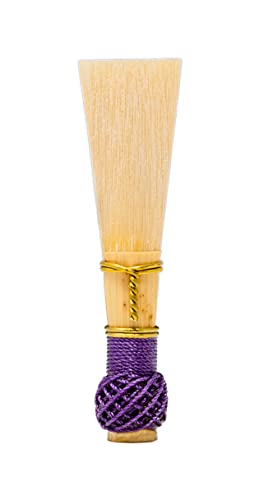
- Best for: Advancing students and adult players ready for artist-level finishing.
- Brand: Jones Double Reed Products
- Model: JR201AM (Artist series)
- Strength: Medium
- Material: Select French cane

- Best for: Students and band players who want a hand-finished alternative to factory reeds.
- Brand: Singin’ Dog
- Model: BRI reed
- Strength: Medium
- Finish: Hand finished
All 5 Picks at a Glance
| Product | Specs | Action |
|---|---|---|
| Jones JR201MS Bassoon Reed, Medium Soft |
| Check price on Amazon |
| Jones JR201AM Artist Bassoon Reed, Medium |
| Check price on Amazon |
| Singin’ Dog Bassoon Reed, Medium |
| Check price on Amazon |
 Selmer 707MS Soloist Bassoon Reed, Medium Soft |
| Check price on Amazon |
 Meason 501 Bassoon Reed, Medium Soft |
| Check price on Amazon |
Key takeaways
- Compare the best bassoon reeds from Jones, Singin' Dog, Selmer and Meason, with strength and cane notes for students, school bands and advancing players.
A bassoon reed is a consumable that behaves like an instrument part: two pieces of cane bound together decide how easily the low register speaks, how stable the tenor range feels, and how much embouchure effort every rehearsal costs. Because no two cane reeds play identically, the real decision is not finding one perfect reed but choosing a maker, a strength, and a finish level that match your playing, then keeping several in rotation.
This guide serves three groups: first-year students who need a reed that responds without a fight, school band players who go through reeds steadily and need consistent replacements, and advancing players stepping up to artist-level finishing. Every pick below is a finished bassoon reed sold on Amazon, chosen from the strength, material, and construction details in its listing.
Quick Picks
As an Amazon Associate we earn from qualifying purchases
| Product | Best for | Key spec from title |
|---|---|---|
| Jones JR201MS Bassoon Reed, Medium Soft | First-year students | Hand finished French cane |
| Jones JR201AM Artist Bassoon Reed, Medium | Advancing players | Diamond-cut gouge, select cane |
| Singin’ Dog Bassoon Reed, Medium | Players who want hand finishing | Hand finished, thread bound |
| Selmer 707MS Soloist Bassoon Reed, Medium Soft | Solo-leaning students | Soloist model, medium soft |
| Meason 501 Bassoon Reed, Medium Soft | A resonant second brand to try | Tested for pitch and response |
How to Choose
Strength and resistance
Strength describes how much air pressure and embouchure support a reed needs before it speaks. Medium soft reeds respond with less effort, which suits beginners whose breath support is still developing and players returning after a long break. Medium reeds ask for more control but reward it with a fuller, more stable sound. Because there is no shared standard between makers, a medium from one brand can feel like a medium soft from another, so change one variable at a time when you switch brands.
Cane quality and gouge
Every cane reed starts as Arundo donax cane, and makers select pieces by diameter and wall thickness before cutting. The gouge, the thickness profile carved into the cane, shapes both response and tone: a carefully controlled gouge vibrates evenly, while an uneven one can make one register speak and another choke. Diamond-cut gouges and hand finishing exist to keep that profile consistent from reed to reed. When a listing names its cane source and cutting method, that is a useful sign the maker controls this step rather than leaving it to chance.
Student versus artist finishing
Student reeds are largely machine-made, then assembled, wound, and adjusted by hand so they play easily at a lower cost per reed. Artist reeds start from select cane and add more hand work: balanced heart and tip, finer finishing, and individual play testing before the reed ships. The practical difference shows up as consistency and range. A student reed is the right buy while you are still cracking reeds by accident; an artist reed earns its keep once your embouchure is steady enough to hear what the extra finishing buys.
Rotation and replacement planning
Cane reeds wear out. Moisture, playing time, and small knocks soften the cane and chip the tip, and most players retire a reed after a few months of regular use. Owning three or four reeds and rotating them daily rests each one between sessions and stretches the life of all of them. It also means a cracked reed before a concert is an inconvenience, not an emergency. When you find a maker and strength that work, reorder the same model so the replacement settles into the rotation without surprises.
The 5 Best Options
Jones JR201MS Bassoon Reed, Medium Soft
- Best for: First-year and younger students who need an easy-speaking first reed.
- Brand: Jones Double Reed Products
- Model: JR201MS (student 201 series)
- Strength: Medium Soft
- Material: French cane
First-year and younger students who need an easy-speaking first reed.
Confirm the strength in the listing title before ordering, since the same model is sold in medium and medium hard as well.
The JR201MS is the standard starting point in school band rooms. Jones builds the student 201 series from French cane chosen for diameter and wall thickness, machine-cuts it for consistency, then finishes and adjusts each reed by hand so it plays across the basic range of the instrument without excessive resistance. The medium soft strength is the one Jones itself suggests for first-year players, because it speaks while breath support and embouchure are still forming. Each reed is tested and tuned before it leaves the maker, which removes much of the guesswork for beginners.
Jones JR201AM Artist Bassoon Reed, Medium
- Best for: Advancing students and adult players ready for artist-level finishing.
- Brand: Jones Double Reed Products
- Model: JR201AM (Artist series)
- Strength: Medium
- Material: Select French cane
Advancing students and adult players ready for artist-level finishing.
Artist reeds cost more per reed, so they make sense only once you are no longer damaging reeds through handling accidents.
The Artist series is Jones’s step up for intermediate and advanced players. It starts from select French cane, uses diamond-cutting equipment to hold an exacting gouge, and finishes the blades with a hand-worked tip so response stays even across the full range of the instrument. A resident bassoon artist play-tests each reed before it ships, which is the quality-control step student reeds skip. In medium strength it gives a developed embouchure something to push against, rewarding stronger air with stability in exposed passages. Players moving up from the student 201 usually find the transition natural, since the family feel carries over.
Singin’ Dog Bassoon Reed, Medium
- Best for: Students and band players who want a hand-finished alternative to factory reeds.
- Brand: Singin’ Dog
- Model: BRI reed
- Strength: Medium
- Finish: Hand finished
Students and band players who want a hand-finished alternative to factory reeds.
Hand finishing means small variations between individual reeds, so order a spare rather than relying on one.
Singin’ Dog is a small maker whose reeds are hand finished one at a time, and that hand work is the appeal here. Each reed is finished by a person rather than coming straight off a production line, then bound with thread that helps hold the two blades together through daily use. The medium strength sits in the middle of the range the maker offers, giving advancing students a reed that responds without feeling flimsy in louder band passages. For players who find the big factory brands inconsistent from box to box, a hand-finished small-maker reed is a reasonable alternative to test in the rotation.
Selmer 707MS Soloist Bassoon Reed, Medium Soft
- Best for: Students who play solo lines and want quick, low-effort response.
- Brand: Selmer
- Model: 707MS Soloist
- Strength: Medium Soft
- Material: Cane
Students who play solo lines and want quick, low-effort response.
The 707MS is a student-level reed, so advanced players looking for maximum projection will outgrow it.
Selmer’s 707MS Soloist is a cane reed in medium soft strength aimed at students who play exposed parts as well as section parts. The medium soft resistance lets the reed answer quickly at low volume, which helps younger players in solo passages where a slow-speaking reed forces them to push and go sharp. Response stays consistent across the registers according to the maker, so the same reed can handle a band rehearsal in the morning and a solo practice session later. It is also a sensible second brand for players whose current medium soft feels stuffy, since strengths are not standardised between makers.
Meason 501 Bassoon Reed, Medium Soft
- Best for: Students who want a resonant alternative voice in their reed rotation.
- Brand: Meason
- Model: 501BASSOONMS
- Maker: Jones Double Reed Products
- Strength: Medium Soft
Students who want a resonant alternative voice in their reed rotation.
Meason is a smaller line than the Jones-branded reeds, so check the listing is the bassoon model and not the oboe version.
Meason reeds are produced by Jones Double Reed Products, and the 501 is built to be a particularly resonant reed for its class. After assembly, each reed is tested for pitch, response, and strength, so what arrives has already passed the same kind of checks a teacher would run through in a first lesson. The medium soft strength keeps it accessible to students, while the resonant design gives it a slightly different voice from the Jones-branded student reed above. That makes it a useful comparison reed: buy one alongside your usual model and learn which maker’s idea of medium soft suits your instrument and embouchure better.
Which One Fits Your Situation
You are buying a first reed for a new student
Start with the Jones JR201MS in medium soft. It is designed for the first years of playing, speaks without demanding a developed embouchure, and is tested before shipping, so a beginner is not fighting the reed while learning fingerings. Order two at once so one can rest while the other plays, and add the Meason 501 later as a comparison once the student can hear differences between reeds.
You play in a school band and go through reeds quickly
Keep the rotation stocked with the Jones JR201MS or the Singin’ Dog in medium, depending on which your embouchure prefers. Both are priced and built for steady replacement, and the Singin’ Dog’s hand finishing suits players who find factory reeds uneven. Buy in small batches, rotate daily, and replace any reed that starts buzzing or will not speak in the low register.
You are advancing and want more from your setup
Move to the Jones JR201AM Artist in medium. The select cane, diamond-cut gouge, and individual play testing give a more even response across the range, and the medium strength supports the stronger air column you have built. Keep one student reed in the case as a backup for outdoor or marching-adjacent gigs where a damaged artist reed would hurt more.
You play solos and need easy soft response
Choose the Selmer 707MS Soloist in medium soft. Its low resistance helps exposed entries speak at low volume without forcing, which keeps pitch steadier in quiet passages. If you split time between solo and section playing, pair it with a medium reed from Jones or Singin’ Dog for full-band rehearsals where more resistance helps you project.
Common Mistakes
- Buying a harder strength to sound more mature, then biting to make it speak, which builds bad embouchure habits and shortens reed life.
- Playing one reed every day until it dies instead of rotating three or four, so every replacement is an emergency purchase.
- Storing reeds loose in the instrument case pocket, where the tip chips against hinges and latches.
- Assuming a medium from one maker equals a medium from another, then blaming the instrument when the new brand feels different.
- Soaking a reed for a long time before playing, which waterlogs the cane and makes response dull for the rest of the session.
Frequently Asked Questions
How long does a bassoon reed last?
With daily playing and a proper rotation, a cane bassoon reed usually stays reliable for a few months before the cane softens and response fades. A reed played every day with no rest wears out faster. Retire a reed when the low register stops speaking cleanly, the tip chips, or the sound turns buzzy no matter how carefully you play.
Should a beginner start with medium soft or medium?
Most teachers start new players on medium soft. It speaks with less embouchure pressure, letting a beginner concentrate on breath support, posture, and fingerings instead of wrestling the reed. Once the embouchure strengthens and the low register feels too free-blowing or unstable, moving up to a medium from the same maker is the natural next step.
How many bassoon reeds should I own at once?
Three or four working reeds is a practical rotation for a student or band player. Rotating rests each reed between sessions, which extends its life, and it means one cracked or tired reed never cancels a rehearsal. Keep the spares in a reed case rather than loose in the instrument case, and reorder your preferred model before the rotation drops below two good reeds.
Can I adjust a reed that feels too hard or too soft?
Small adjustments are possible with a reed knife, plaque, and fine sandpaper, and many teachers show students how to scrape a reed that feels stuffy. Work slowly, test after every small change, and practise on a worn-out reed first. If you are new to the instrument, ask your teacher to adjust it rather than risking the only reed you own.
More from Amazon
Programs that pair well with the guide above. Offers and eligibility are set by Amazon and may change.
Free shipping on eligible items, Prime Video and more. Eligible new members can start with a free trial.
Start a Prime free trialAudiobooks and podcasts to listen to on the go. Eligible new members can start with a free trial.
Try Audible freeAd-free music streaming. Eligible new subscribers can start with a free trial.
Try Music Unlimited freeA free business account with business pricing and bulk-buying tools for work, shop or home office.
Create a business accountAs an Amazon Associate we earn from qualifying purchases.







Write Your Review
No reviews yet. Be the first to share your experience!