

Key takeaways
- Test the fit before a long route. Walk, jog, turn your head, and perform several quick accelerations. An earbud that feels secure for five minutes may loosen after an hour of sweat.
- Use the smallest secure tip. An oversized silicone tip can create pressure and fatigue. The correct size seals without needing to be pushed deeply into the ear.
- Clean after sweaty sessions. Wipe earbuds and hooks with a soft, slightly damp cloth, then dry them fully. Remove wax and debris from the speaker mesh with a dry, soft brush; do not push material into the grille.
- Protect the charging contacts. Salt residue can interrupt charging and accelerate corrosion. Let both earbuds dry before placing them in the case.
- Expect consumables to wear first. Silicone tips can tear or lose elasticity, ear-hook coatings can become tacky, and charging-case batteries lose capacity over years. Replacement tips are usually inexpensive; a worn internal battery may require replacing the case or the entire product.
- Do not confuse water resistance with waterproofing. Avoid swimming, showering, and high-pressure sprays unless the manufacturer explicitly permits them.
The best running headphones in 2026 are the Shokz OpenRun Pro 2 for traffic awareness, the Beats Powerbeats Pro 2 for the most secure in-ear fit, and the Soundcore Sport X20 for affordable, sweat-ready training.
There is no single winner for every runner. Open-ear headphones leave your ear canals unobstructed, while sealed earbuds usually provide stronger bass, clearer calls in noisy places, and a more stable fit when their tips and hooks match your ears. The right choice depends on whether your priority is hearing traffic, surviving heavy sweat, staying comfortable for two hours, or avoiding frequent charging.
Our top picks


As an Amazon Associate we earn from qualifying purchases at no extra cost to you. Ratings are shown as listed on Amazon.
Quick comparison: the leading choices
| Model | Fit and design | Water resistance | Claimed battery life | Microphones | Typical market range |
|---|---|---|---|---|---|
| Shokz OpenRun Pro 2 | Open-ear, behind-neck band; about 30.3 g | IP55 | Up to 12 hours | Dual-microphone noise reduction | About $150–$200 |
| Beats Powerbeats Pro 2 | In-ear ear hooks; about 26.3 g per pair | IPX4 | Up to 10 hours; up to 45 hours with case | Multi-microphone voice processing | About $200–$250 |
| Soundcore Sport X20 | In-ear adjustable ear hooks; about 12.5 g per earbud | IP68 | Up to 12 hours; up to 48 hours with case | Built-in call microphones | About $60–$90 |
| Apple AirPods Pro 2 | In-ear silicone tips; about 5.3 g per earbud | IP54 | Up to 6 hours; up to 30 hours with case | Beamforming microphones | About $180–$250 |
| Bose Ultra Open Earbuds | Open-ear clip design; about 6.4 g per earbud | IPX4 | Up to 8 hours | Multiple microphones | About $250–$300 |
Battery figures are manufacturer claims under stated test conditions. Higher volume, phone calls, multipoint connections, cold weather, and aging batteries can reduce real-world runtime.
Best overall for road running: Shokz OpenRun Pro 2
The OpenRun Pro 2 is the strongest all-purpose pick for runners who use roads, shared paths, or city streets. Its open-ear construction keeps the ear canal uncovered, so you can hear approaching bicycles, vehicles, voices, and environmental warning sounds without enabling a transparency mode.
The behind-neck band is secure without the pressure of silicone tips. It is particularly comfortable for long runs because the speaker units do not sit inside the ear. Its IP55 rating protects against sweat and water jets, but it is not designed for swimming or deliberate submersion. Wipe it down after use and keep the charging port dry before connecting the cable.
Call quality is suitable for short conversations, although open designs generally expose microphones to wind. At faster paces, a strong crosswind can affect speech more than it would with sealed earbuds. Choose this model when awareness and comfort matter more than maximum isolation or deep bass.
Best for the most secure fit: Beats Powerbeats Pro 2
The Powerbeats Pro 2 uses an ear-hook design combined with replaceable-style ear tips in different sizes. The hook carries much of the retention load, making it a good choice for interval training, gym circuits, and runners whose earbuds commonly loosen.
Its sealed in-ear fit produces fuller low frequencies and better passive noise reduction than an open-ear model. That can make podcasts and calls easier to understand, but it also reduces awareness of nearby traffic. Use the transparency mode in public areas and keep volume moderate; electronic awareness features should supplement, not replace, visual attention.
The IPX4 rating means resistance to splashing water from any direction, including sweat, but not dust protection or immersion. The charging case substantially extends total listening time, while the earbuds’ approximately 10-hour standalone rating covers most marathon-length sessions. The main comfort trade-off is pressure around the outer ear and heat where the hook contacts skin.
Best budget option: Soundcore Sport X20
The Sport X20 is a practical choice when security and durability matter more than premium call processing. Its rotating, adjustable ear hooks can be shaped around the ear, and the IP68 rating offers unusually strong protection against dust and water for a running earbud. IP68 still does not make every workout scenario risk-free: rinse away salt and sweat, dry the earbuds, and follow the manufacturer’s limits for submersion.
With a claimed 12 hours per charge and up to 48 hours including the case, it is well suited to frequent training without daily charging. The trade-offs are a bulkier fit than lightweight stem-style earbuds and generally less natural environmental awareness than open-ear headphones. It is the best value here for runners who want a locked-in fit and long battery life at a general market price below premium competitors.
Best for Apple users who prioritize calls and compact comfort
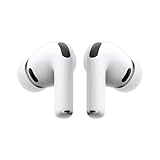
AirPods Pro 2 are small, light, and comfortable for many ears, with multiple tip sizes and effective transparency mode. They are a sensible choice if you already use Apple devices and want quick switching, strong call processing, and a compact case.
However, their IP54 rating is more limited than the Sport X20’s IP68 rating, and the approximately six-hour earbud battery is modest for ultra-distance training. The fit relies on the silicone tip creating a seal, so movement and sweat can gradually loosen one earbud for some runners. Try all included tip sizes rather than assuming the default is correct.
Best open-ear alternative: Bose Ultra Open Earbuds
The Bose Ultra Open Earbuds clip around the outer ear instead of sealing the ear canal. They provide excellent awareness and avoid the plugged-up sensation that some people dislike during exercise. Their stability is good for steady running, but the clip-style design may not feel as locked in during abrupt movements as a dedicated ear-hook earbud.
At up to eight hours, battery life is sufficient for most training sessions, while the IPX4 rating calls for normal sweat precautions rather than exposure to heavy rain or water. They are an expensive option, so they make the most sense when comfort and an open listening experience are worth more to you than maximum water protection.
Choose by running situation
| Your situation | Best fit | Why | Important compromise |
|---|---|---|---|
| Roads, crossings, and shared trails | Shokz OpenRun Pro 2 | Uncovered ears provide continuous environmental awareness | Less bass and more wind exposure |
| Sprints or earbuds that keep falling out | Beats Powerbeats Pro 2 | Ear hooks add mechanical retention | Sealed fit reduces ambient sound |
| Heavy sweating or dusty outdoor routes | Soundcore Sport X20 | IP68 protection and adjustable hooks | Heavier, less naturally aware design |
| Long calls during easy runs | AirPods Pro 2 | Lightweight fit and strong voice processing | Shorter standalone battery |
| Comfort without anything inside the ear | Bose Ultra Open Earbuds | Open clip design avoids ear-canal pressure | High price and only IPX4 protection |
How much battery do you actually need?
Estimate your requirement from your longest outing rather than the manufacturer’s maximum number. For example, a 2-hour run, 30 minutes of post-run calls, and a 25% reserve equals:
(2 hours + 0.5 hours) × 1.25 = 3.125 hours.
Any model offering at least four hours of realistic earbud runtime should cover that session, but a 6-to-12-hour rating gives more allowance for high volume, cold weather, and battery aging. If you regularly run for four hours or more, prioritize standalone earbud endurance rather than the case’s total capacity; a case cannot help during a run unless you stop and recharge.
Fit, cleaning, and ownership advice
- Test the fit before a long route. Walk, jog, turn your head, and perform several quick accelerations. An earbud that feels secure for five minutes may loosen after an hour of sweat.
- Use the smallest secure tip. An oversized silicone tip can create pressure and fatigue. The correct size seals without needing to be pushed deeply into the ear.
- Clean after sweaty sessions. Wipe earbuds and hooks with a soft, slightly damp cloth, then dry them fully. Remove wax and debris from the speaker mesh with a dry, soft brush; do not push material into the grille.
- Protect the charging contacts. Salt residue can interrupt charging and accelerate corrosion. Let both earbuds dry before placing them in the case.
- Expect consumables to wear first. Silicone tips can tear or lose elasticity, ear-hook coatings can become tacky, and charging-case batteries lose capacity over years. Replacement tips are usually inexpensive; a worn internal battery may require replacing the case or the entire product.
- Do not confuse water resistance with waterproofing. Avoid swimming, showering, and high-pressure sprays unless the manufacturer explicitly permits them.
Final recommendation
Choose the Shokz OpenRun Pro 2 if traffic awareness and all-day comfort are your first priorities. Choose the Beats Powerbeats Pro 2 if you need an exceptionally secure fit, stronger bass, and long earbud battery life. Choose the Soundcore Sport X20 if you want the most protection and endurance for the money. For any model, keep volume low enough to remain attentive, use transparency or open-ear listening in public areas, and treat advertised battery and water ratings as upper limits rather than guarantees.




Write Your Review
No reviews yet. Be the first to share your experience!