

Key takeaways
- Measure the available height and width. Include the space needed for the drain trap, dishwasher hose, and electrical connection—not just the disposal body.
- Confirm the sink opening and mount. Many disposals use a standard sink flange, but compatibility with an existing mounting assembly varies by brand and model.
- Check the outlet or wiring. Some units come with a power cord; others are intended for hardwiring or require a separately purchased cord. Follow local electrical requirements.
- Inspect the drain and dishwasher connection. Match the outlet position to your plumbing, and only remove a dishwasher inlet plug when connecting a dishwasher drain hose.
- Plan for the weight. A heavier unit can be awkward to support while mounting. Have help available or use a support method appropriate to the installation.
Best Garbage Disposals: The Right Pick for Your Household
The best garbage disposals match motor power and grind-chamber construction to how much food waste your household produces—and fit your sink, drain, and electrical setup. For most homes, a 3/4-horsepower continuous-feed model with a stainless-steel grind chamber is a sensible balance; a quieter, insulated model is worth considering in an open-plan kitchen, while a compact 1/2-horsepower unit can suit light use and tight budgets.
Before choosing, check the sink opening, available cabinet space, drain alignment, dishwasher connection if needed, and power supply. Horsepower alone does not determine whether a unit will fit or how quiet it will be.
Our top picks


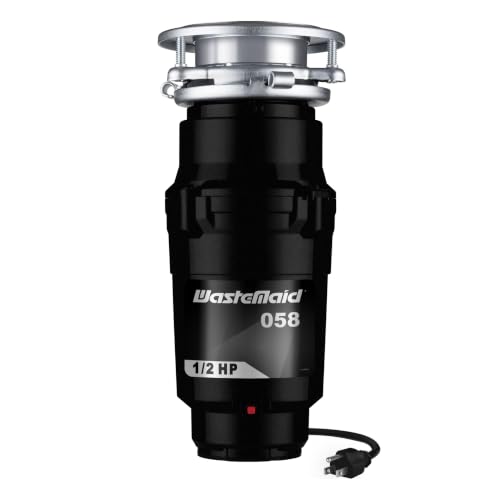

As an Amazon Associate we earn from qualifying purchases at no extra cost to you. Ratings are shown as listed on Amazon.
Compare the Main Types
The figures below are typical category ranges, not specifications for every model. Always verify the exact product dimensions and installation requirements.
| Type | Typical motor | Grind components | Approx. unit weight | Best fit |
|---|---|---|---|---|
| Compact continuous-feed | 1/2 hp | Often galvanized steel; some models use stainless steel | 8–13 lb | One or two people, occasional scraps, limited cabinet space |
| Midrange continuous-feed | 3/4 hp | Stainless-steel or galvanized-steel grind components, depending on model | 12–20 lb | Small to medium households with regular food-prep waste |
| Higher-power continuous-feed | 1 hp | Commonly stainless-steel grind components | 16–25 lb | Larger households or frequent use where space and wiring permit |
| Batch-feed | Often 1/2–3/4 hp | Varies by model; check the specific materials | Often 13–25 lb | People who prefer a covered opening and controlled operation |
Weight and dimensions vary substantially, particularly with sound insulation. Treat the weight range as a rough cabinet-planning guide, not a substitute for the model’s installation sheet.
Choose by Household and Kitchen
| Your situation | What to look for | Why it fits |
|---|---|---|
| One or two people; light use; strict budget | 1/2 hp continuous-feed, compact body | Usually enough for modest scraps and leaves more room under the sink. |
| Three or four people; frequent cooking | 3/4 hp, stainless-steel grind components, overload protection | A practical middle ground for regular use without stepping up to the largest motor. |
| Large household; heavy food-prep routine | Consider 1 hp, if the plumbing, cabinet, and electrical setup support it | More motor capacity can help with frequent loads, but it does not make unsuitable items safe to grind. |
| Open-plan kitchen or noise-sensitive household | Insulated housing, anti-vibration features, sound-reducing sink baffle | These features reduce transmitted noise; they do not make a disposal silent. |
| Want to limit accidental operation | Batch-feed model with its matching stopper | The unit operates with the cover in place, rather than running whenever the wall switch is on. |
What Matters More Than the Horsepower Label
Motor power and actual use
A 1/2-hp disposal is generally suited to lighter household use; 3/4 hp is a versatile target for many kitchens; and 1 hp can make sense for frequent, larger loads. A bigger motor is not a cure for overloading, poor installation, or putting fibrous and hard materials down the drain. Feed scraps in small amounts and run cold water while the unit operates, following the manufacturer’s instructions.
Grind-chamber material
Stainless-steel grind components are often chosen for corrosion resistance and long-term durability. Galvanized steel is common in less expensive models, but the exact chamber and component materials differ by product. Do not assume that a stainless-steel component means the entire disposal is stainless steel. Check the manufacturer’s specifications and warranty terms.
Noise control
Noise comes from the motor, grinding action, vibration, and sound traveling through the sink and drain. Insulation can reduce airborne motor noise, while a well-fitted mounting assembly and sink baffle help limit vibration and splashing. A quiet model still makes sound when grinding. If the kitchen shares walls with living or sleeping areas, consider insulation and installation quality together.
Check Fit Before You Buy
- Measure the available height and width. Include the space needed for the drain trap, dishwasher hose, and electrical connection—not just the disposal body.
- Confirm the sink opening and mount. Many disposals use a standard sink flange, but compatibility with an existing mounting assembly varies by brand and model.
- Check the outlet or wiring. Some units come with a power cord; others are intended for hardwiring or require a separately purchased cord. Follow local electrical requirements.
- Inspect the drain and dishwasher connection. Match the outlet position to your plumbing, and only remove a dishwasher inlet plug when connecting a dishwasher drain hose.
- Plan for the weight. A heavier unit can be awkward to support while mounting. Have help available or use a support method appropriate to the installation.
If the existing drain is corroded, the sink flange leaks, wiring needs changes, or the disposal does not align with the trap, a plumber or electrician can assess the work. Do not force a connection to make an incompatible model fit.
Ownership: What Wears and What Prevents Problems
Common trouble spots include leaks at the sink flange or drain connection, a worn splash baffle, loose mounting hardware, and jams caused by unsuitable or oversized scraps. The baffle is a wear item on some models and may be replaceable; confirm parts availability before buying. A jammed motor may trip its overload protector, but repeatedly resetting it without clearing the obstruction can cause further problems.
- Run cold water during grinding and briefly afterward to help carry particles through the drain.
- Feed scraps gradually rather than packing the chamber full.
- Keep hands and tools out of the chamber. Disconnect power before attempting any clearing or service, and follow the manual’s procedure.
- Avoid putting grease, large bones, fibrous peels, or expandable foods into the disposal unless the manufacturer specifically says they are suitable.
- Clean according to the manual; avoid caustic drain cleaners unless the manufacturer permits them.
Bottom Line
For many households, a 3/4-hp continuous-feed disposal with stainless-steel grind components offers a useful balance of capacity and durability. Choose a compact 1/2-hp model for light use and tight space, consider 1 hp for frequent heavy use only when the installation supports it, and prioritize insulation and vibration control when kitchen noise matters. The best choice is the one that fits your plumbing and cabinet, suits your household’s routine, and can be installed safely.





Write Your Review
No reviews yet. Be the first to share your experience!