

Key takeaways
- The best low sodium hams are uncured or clearly reduced-sodium hams with about 300–600 milligrams of sodium per 3-ounce serving, while Kentucky Legend Lower Sodium Ham and Applegate Naturals Uncured Slow Cooked Ham are useful starting points for shoppers who…
The best low sodium hams are uncured or clearly reduced-sodium hams with about 300–600 milligrams of sodium per 3-ounce serving, while Kentucky Legend Lower Sodium Ham and Applegate Naturals Uncured Slow Cooked Ham are useful starting points for shoppers who want recognizable ham flavor without choosing the saltiest cured style.
Our top picks
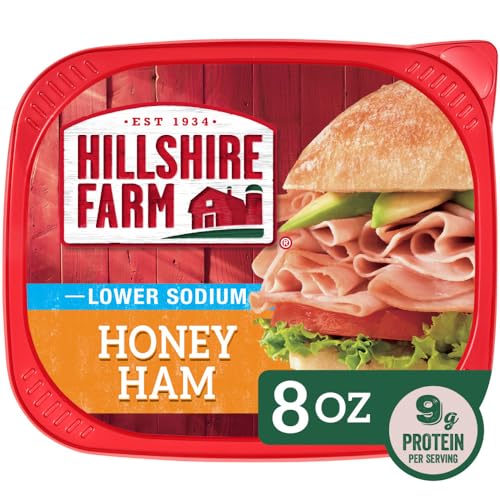

As an Amazon Associate we earn from qualifying purchases at no extra cost to you. Ratings are shown as listed on Amazon.
What “low sodium” means when you shop for ham
Ham is naturally relatively salty because curing preserves the meat and develops its characteristic flavor. However, packages use several different descriptions, and they do not all mean the same thing. “Lower sodium” generally means the product contains less sodium than a comparable standard version. “Uncured” usually means the ham is not cured with synthetic sodium nitrite, but it can still contain substantial salt. “No salt added” is a stronger claim, although naturally occurring sodium and other ingredients may still be present.
For a practical comparison, use the Nutrition Facts panel rather than the front label. Compare the same serving size—ideally 3 ounces or 84 grams—and check whether the ham is sliced, boneless, spiral-cut, or accompanied by a salty glaze. A ham listed at 450 milligrams per serving can become much saltier if the serving is actually 4 ounces.
Best low sodium hams by eating situation
Best for an easy holiday centerpiece: reduced-sodium spiral-cut ham
A reduced-sodium spiral-cut ham offers the familiar glazed holiday presentation and requires little carving skill. Kentucky Legend Lower Sodium Ham is one recognizable example of this category. Its main advantage is convenience: the slices are pre-cut, and a separate glaze can provide sweetness and spice without relying on the meat alone for flavor.
Expect a softer texture than a traditionally dry-cured country ham and a milder salty finish. Before buying, check whether the package includes a glaze packet. Some glazes add sugar and sodium, so compare the nutrition information for the prepared product if instructions call for using the entire packet.
Best for sandwiches and lunch: uncured sliced ham
Applegate Naturals Uncured Slow Cooked Ham is a useful choice for shoppers who prefer a shorter ingredient list and a mild, less aggressively smoky profile. “Uncured” does not automatically make it low sodium, but many uncured deli hams are less salty than heavily smoked or dry-cured alternatives.
For sandwiches, choose slices with approximately 350–500 milligrams of sodium per 2- to 3-ounce serving. Pair them with unsalted bread, fresh lettuce, tomato, cucumber, or avocado. Cheese, mustard, pickles, and prepared spreads can add more sodium than the ham, so the complete sandwich matters more than the meat label alone.
Best for a traditional smoky flavor: lower-sodium smoked ham
A reduced-sodium smoked ham suits people who want a stronger barbecue-like flavor without moving all the way to country ham. Smoking contributes aroma, so the meat can taste satisfying even when the salt level is moderated. Look for “lower sodium” on the package and a serving value near or below 600 milligrams.
This style is often denser and firmer than uncured slow-cooked ham. It works well in beans, split-pea soup, omelets, and roasted vegetables, where a small amount can season an entire dish. Add the ham late in cooking and taste before adding broth, bouillon, or additional salt.
Best for the lowest practical sodium: fresh pork leg prepared at home
A fresh, uncured pork leg or pork roast is not the same as ready-to-eat ham, but it can be the better option when controlling sodium is the main priority. Roast it with garlic, black pepper, rosemary, citrus, paprika, or mustard powder instead of relying on a commercial cure. The result will taste more like seasoned roast pork than classic deli ham, but it gives you control over the ingredients.
This option requires more time and a reliable meat thermometer. It also lacks the pink color, cured aroma, and distinctive texture associated with conventional ham.
Head-to-head comparison of low sodium ham styles
| Ham type | Typical sodium per 3 oz | Cure or preparation | Texture and taste | Best use |
|---|---|---|---|---|
| Fresh uncured pork roast | 50–120 mg before added seasoning | No commercial cure | Meaty, mild, roast-pork flavor | Lowest-sodium home cooking |
| Uncured sliced ham | 350–550 mg | Often uses naturally sourced curing ingredients; verify label | Soft, mild, lightly smoky | Sandwiches and quick meals |
| Reduced-sodium smoked ham | 450–650 mg | Wet cure with reduced salt plus smoking | Firmer, savory, smoky | Beans, soups, breakfast dishes |
| Reduced-sodium spiral ham | 500–700 mg | Wet-cured, usually precooked and sliced | Tender, recognizable holiday ham flavor | Buffets and holiday dinners |
| Traditional cured or country ham | 900–1,500+ mg | Heavier salt cure, sometimes dry-aged | Very concentrated, salty, sometimes chewy | Small portions and classic regional recipes |
These are shopping benchmarks rather than guarantees. Recipes, serving sizes, water added during processing, and brand formulas vary. Use the package label as the final authority, especially when a product is marketed as “lower sodium” rather than “low sodium.”
How the cure method changes flavor
Wet-cured ham is injected or soaked in a brine. It is usually juicy, tender, and familiar, but the brine can distribute sodium throughout the meat. Spiral-cut holiday hams commonly use this method because it produces even flavor and predictable reheating.
Dry-cured ham is rubbed with salt and aged. It develops a concentrated flavor and firmer texture, but it is rarely the best choice when sodium reduction is the goal. Prosciutto and country ham belong broadly to this flavor family, although their textures and aging methods differ.
Uncured ham is a labeling category, not a guarantee of low sodium. It may use celery powder or another naturally sourced nitrate or nitrite for curing, and it may still contain salt, water, sugar, and smoke flavor. Choose it for its flavor or ingredient preferences, then confirm the sodium number.
A simple buying decision matrix
| Your priority | Best match | Target label | Main compromise |
|---|---|---|---|
| Holiday appearance with minimal work | Reduced-sodium spiral ham | 500–600 mg per 3 oz | Usually more processed and costly |
| Lunches several times a week | Uncured sliced ham | 350–500 mg per serving | Milder flavor and shorter freshness window |
| Strong smoky flavor for recipes | Reduced-sodium smoked ham | 450–650 mg per serving | Can dominate delicate dishes |
| Most control over sodium | Fresh pork roast | Check seasoning ingredients | Not traditional cured ham |
| Small portions for occasional use | Traditional ham used sparingly | Buy the smallest package | Sodium rises quickly with portion size |
How to reduce sodium in the finished meal
First, calculate the portion instead of estimating. If a ham contains 550 milligrams per 3 ounces and you serve 2 ounces, the ham contributes about 367 milligrams:
550 × 2 ÷ 3 = approximately 367 milligrams of sodium.
Next, avoid stacking salty ingredients. Use unsalted or no-salt-added beans, homemade stock, fresh vegetables, and an acid such as lemon juice or cider vinegar. Acid does not remove sodium, but it can make a dish taste brighter and less dependent on extra salt.
For a very salty ham used in a soup or bean dish, briefly simmering small pieces in water and draining them may reduce some surface salt. It will not remove all sodium, and it can also remove flavor. Do not treat rinsing or soaking as a substitute for selecting a lower-sodium product.
Storage, reheating, and ownership realities
Pre-sliced ham dries out first at the exposed cut surfaces. Keep it tightly wrapped or in an airtight container, and refrigerate it promptly. Follow the package’s storage instructions; opened sliced ham is commonly best used within several days, while an unopened product may last longer according to its use-by date.
Reheat precooked ham gently, covered, with a small amount of water or unsalted broth in the pan. High heat drives out moisture and makes the meat tougher, encouraging people to compensate with salty sauce or glaze. Warm only what you expect to serve when possible, since repeated heating reduces texture.
For a holiday ham, apply a homemade glaze near the end of reheating. Brown sugar, orange zest, black pepper, smoked paprika, and unsalted mustard powder can provide contrast without adding much sodium. If using prepared mustard, soy sauce, bouillon, or a commercial glaze, include those ingredients in the meal’s total sodium calculation.
Final recommendation
Choose a reduced-sodium spiral ham for the easiest holiday centerpiece, an uncured sliced ham for everyday sandwiches, and a reduced-sodium smoked ham when savory flavor matters most in cooked dishes. If sodium control outweighs traditional ham flavor, start with a fresh pork roast and season it yourself. Whichever style you buy, compare sodium per identical serving, inspect the full ingredient list, and let the rest of the meal—not just the ham—determine the final salt load. People with a sodium-related medical condition should confirm suitable portions and products with a qualified health professional.








Write Your Review
No reviews yet. Be the first to share your experience!