

Key takeaways
- Echo is the most common complaint in a home recording space, a podcast corner, or a home theater.
Echo is the most common complaint in a home recording space, a podcast corner, or a home theater. Bare drywall, a hard floor, and a window create a hollow ring after every clap, and a microphone hears all of it. Acoustic treatment panels are the standard fix, because they are designed to soak up reflections inside the room so speech sounds clearer and music mixes are easier to judge. The keyword “acoustic treatment panels” usually comes from someone about to measure a wall and buy a pack.
The decision is mostly about material and thickness. Thin foam tiles are inexpensive and easy to cover a wall with, while fiberglass or dense-core panels in larger sizes are designed to handle more of the sound energy. Wood slat panels sit at the decor end of the range. Several titles use the word soundproof, but treatment panels do not block noise from passing through walls. Each review below sticks to the product title, and details such as density and absorption ratings should be confirmed on the listing before a 2026 room project begins.
Quick Picks
Our top picks


As an Amazon Associate we earn from qualifying purchases at no extra cost to you.
| Product | Best for | Key spec from the title |
|---|---|---|
| Focusound 52 Pack Foam | Lowest-effort coverage | 1 x 12 x 12 inch wedge foam, 52 panels |
| 50 Pack High Density Foam | Thicker foam tiles | 2 x 12 x 12 inch, 50 panels |
| UMIACOUSTICS Fiberglass | Studio-style panels | 2 inch thick, wall mounts included |
| Knightsacoustic 96 Pack | Large wall coverage | 1 x 12 x 12 inch, 96 panels |
| Olanglab 10 Pack | Home studios and offices | 48 x 24 inch, dark gray, walls and ceilings |
| TONOR Wood Slat Panels | Decor-minded rooms | 47.2 x 23.6 inch, 4 pack |
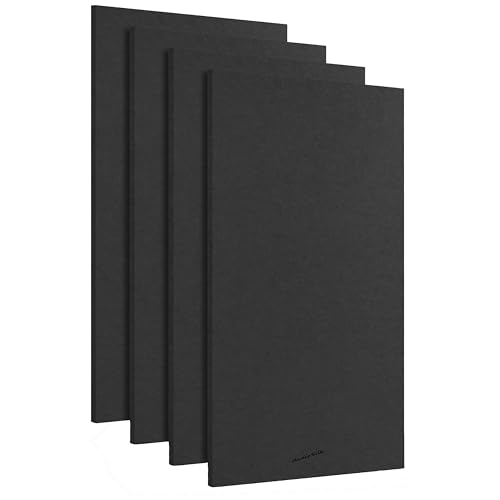
| AudioSilk Room Kit | A quick starter set | 4 pack, 46 x 23 inch, black |
| TroyStudio Thick Foam | Broadband foam fans | 12 x 12 x 2 inch, 52 pieces |
How to Choose
Absorption versus blocking
Treatment panels absorb sound inside the room. They do not stop noise from traveling through a wall to a neighbor, and a title containing soundproof does not change that. If the goal is to keep a drummer from bothering the next apartment, panels will help the sound inside the room but not the sound escaping it. Only construction changes such as mass, decoupling, and sealing address that problem.
Thickness and material
A 1 inch foam tile is thin and acts mainly on higher frequencies, while 2 inch foam, as in the 50 Pack and TroyStudio listings, reaches a little lower. UMIACOUSTICS lists a 2 inch fiberglass panel, and the larger Olanglab and AudioSilk panels come in bigger formats that cover more wall per piece. None of the titles state a rating, so check the listing for an NRC or absorption chart. Thicker material generally handles lower frequencies better, and bass is the hardest sound to control.
Coverage, size, and mounting
Count the square footage. A 12 x 12 inch tile is 1 square foot, so a pack of 52 covers about 52 square feet if every tile is used, while a 48 x 24 inch panel is 8 square feet. Large panels hang faster, and tiles are easier to cut and place around windows. Adhesives can damage paint, so look for mounts, hangers, or clips, as the UMIACOUSTICS listing mentions wall mounts, and test an inconspicuous spot first.
Placement and what to ignore
Start at the first reflection points on the side walls and behind the listening or speaking position, then add more as needed. Covering every wall in thin foam is a common beginner mistake. Ignore claims about noise cancelling, which are about cancellation by electronics in headphones and do not describe a panel. Budget foam often has uneven density, a chemical smell, and shedding, so read the fire-safety information on the listing and check local rules for rooms used by others.
The 8 Best Options
Focusound 52 Pack Acoustic Foam Panels
Focusound offers 52 wedge-style foam panels at 1 x 12 x 12 inches each, aimed at home offices and recording studios. The count is the draw, since it can fill a wall.
- Strength: the 52 pack covers a large area of wall.
- Strength: the wedge pattern is a familiar studio look.
- Trade-off: 1 inch foam is thin and affects mainly higher frequencies.
Skip it if bass control is a concern, or if the foam will be exposed to heat. Buyers should read the listing for fire-safety information. Wedge-style foam is also a sensible pick for a first-time treatment project, since the tiles are light, easy to cut with a sharp blade, and forgiving if the first layout needs to be moved a few inches. A vocal booth or a streaming desk is the kind of small space where it makes the most sense.
50 Pack High Density Acoustic Foam Panels
This generic 50 pack lists 2 x 12 x 12 inch high-density foam panels for walls, billed as sound absorbing. The 2 inch depth is thicker than the entry-level tiles.
- Strength: 2 inch thickness provides more material per tile.
- Strength: 50 panels give wide coverage.
- Trade-off: the title offers no brand or density number.
Skip it if brand reputation matters or a rating is needed to compare against other panels. Anyone considering this pack should look for the density and flame-retardant details on the listing, because a heavier, denser foam is generally more useful than a light one of the same size, and the title does not cover either point.
UMIACOUSTICS Fiberglass Acoustic Panels
The UMIACOUSTICS listings show 2 inch thick fiberglass panels in charcoal grey or black, in a 2 pack of 47.2 x 23.6 inches and a 4 pack of 23.6 x 11.8 inches, with wall mounts included. It is the most studio-style treatment in this group.
- Strength: 2 inch fiberglass is a common studio treatment material.
- Strength: wall mounting hardware is included.
- Trade-off: fewer panels per pack means a smaller coverage area.
Skip it for a very large wall unless several packs are planned. Handle fiberglass with care and follow the manufacturer’s guidance. Because the listing mentions two sizes, a buyer should confirm which size is in the cart, and decide whether a few larger panels at the first reflection points or many small ones across the wall fit the room better. For a vocal booth, the smaller panels fill gaps near windows and doors.
Knightsacoustic 96 Pack Foam Panels
The Knightsacoustic is a 96-piece pack of 1 x 12 x 12 inch black acoustic foam. It is the largest piece count in the group and suits a big room on a tight plan.
- Strength: 96 pieces can cover a large wall.
- Strength: black foam blends into a dark studio.
- Trade-off: thin 1 inch foam does not address low frequencies.
Skip it if a quick installation is preferred, since it takes a long time to place nearly a hundred tiles. The pack makes the most sense for a rehearsal space, garage band room, or a long hallway of bare wall, where full coverage matters more than a polished look and where the tiles can be arranged in a simple grid.
Olanglab Acoustic Wall Panels, 10 Pack
Olanglab sells 10 panels at 48 x 24 inches in plain dark gray, for walls and ceilings in home studios, offices, and meeting spaces. Large size means fewer pieces to hang.
- Strength: large 48 x 24 inch panels cover up to 80 square feet in a 10 pack.
- Strength: use on walls or ceilings is mentioned.
- Trade-off: the title does not state thickness.
Skip it for a small room where ten panels would overwhelm the walls. A plain dark gray also reads as clean and neutral in an office, which helps if the room doubles as a video call background. Check the listing for the mounting method, the thickness, and whether the panels can safely go on a ceiling.
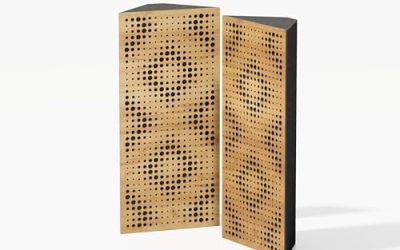
TONOR Wood Wall Panels, 4 Pack
TONOR lists four wood slat panels at 47.2 x 23.6 inches for wall decor and noise reduction. The slat look suits living rooms and offices where style matters.
- Strength: the wood slat design doubles as decor.
- Strength: the 47.2 x 23.6 inch size is easy to place.
- Trade-off: wood slats are a decor product first and an absorber second.
Skip it if serious studio treatment is the goal. The slats are most useful where a room needs to look finished, such as a living room with a television or a home office on camera, and they can sit beside treated panels in a room that does both jobs.
AudioSilk Acoustic Panels, 4 Pack Room Kit
AudioSilk offers a 4 pack of 46 x 23 inch panels in black, sold as a room kit. It works as a starter set for a bedroom studio.
- Strength: it is packaged as a kit for a room.
- Strength: a black finish suits a studio look.
- Trade-off: four panels cover limited area and may need a second pack.
Skip it for a large room unless more kits are planned. It is a good fit for a musician who needs to treat a small bedroom, where the four larger panels can go behind the monitors and on each side of the desk, and the room can be judged before more panels are bought.
TroyStudio Thick Acoustic Foam Panels
The TroyStudio is a 52-piece set of 12 x 12 x 2 inch broadband foam tiles. The 2 inch thickness makes it a step up from 1 inch foam.
- Strength: 2 inch foam adds depth for more absorption.
- Strength: 52 pieces offer wide coverage.
- Trade-off: foam still does little for deep bass.
Skip it if low-frequency treatment is the main need. The 2 inch depth costs more wall space than a 1 inch tile does, so buyers should leave room for furniture and doors, and confirm that the listing includes any adhesive or mounting aids because the title mentions none.
Which One Fits Your Situation
A bedroom podcast setup
The AudioSilk Room Kit or the UMIACOUSTICS 2 pack puts treatment behind the microphone and on the side walls without a huge project.
A large home office with echo
The Olanglab 10 pack covers a wall quickly, with fewer pieces to mount. Measure the wall height first, since panels of 24 inches in one direction line up in rows more neatly on standard ceilings.
A tight project with maximum coverage
The Knightsacoustic 96 pack or the 50 Pack foam gives the most coverage for the least spend.
A living room that must look good
The TONOR wood slat panels read as decor and can hang in view.
Common Mistakes
- Expecting treatment panels to block noise between rooms.
- Covering every wall with thin foam and ignoring the corners and placement.
- Gluing foam straight to a painted wall without checking how it removes.
- Ignoring the fire-safety information for foam and fiberglass products.
- Judging by pack count alone without checking thickness.
Related guides
- Bluetooth Turntables For Vinyl Beginners
- Condenser Microphones For Home Studios
- Audio Interfaces For Home Studios
Frequently Asked Questions
Do acoustic panels make a room soundproof?
No. They reduce echo inside the room but do not stop sound traveling through walls.
How many panels are needed?
It depends on room size and echo. Start with side walls and the wall behind the listening position, then add more.
Is thicker always better?
Thicker material generally handles lower frequencies better, but placement matters too.
Is foam or fiberglass better?
Fiberglass is common in studios for broader absorption, while foam is lighter and easier to install. Check handling and safety guidance for each.
More from Amazon
Programs that pair well with the guide above. Offers and eligibility are set by Amazon and may change.
Free shipping on eligible items, Prime Video and more. Eligible new members can start with a free trial.
Start a Prime free trialAudiobooks and podcasts to listen to on the go. Eligible new members can start with a free trial.
Try Audible freeAd-free music streaming. Eligible new subscribers can start with a free trial.
Try Music Unlimited freeA free business account with business pricing and bulk-buying tools for work, shop or home office.
Create a business accountAs an Amazon Associate we earn from qualifying purchases.




Write Your Review
No reviews yet. Be the first to share your experience!