

Our Top Picks
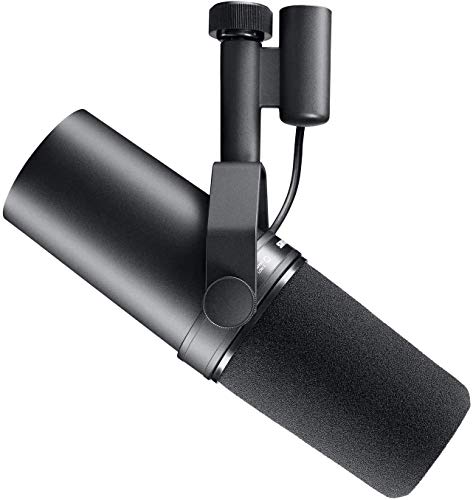 Shure SM7B Dynamic Vocal Microphone for Podcasting &13.5 x 7 x 4.5 inches13.5 x 7 x 4.5 inches2.7 poundsCheck on Amazon
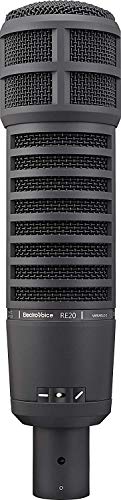 Electro-Voice RE20-BLACK Dynamic Broadcast Announcer MicrophoneRE20-Black12 x 7 x 4 inches2.87 poundsCheck on Amazon
 Samson Q2U USB/XLR Dynamic Microphone Recording and Podcasting4.7010.05 x 7.5 x 2.55 inches0.7 poundsCheck on Amazon

Picking a dynamic microphone for studio work is really a decision about the room you record in and the gear you already own. A spare bedroom with bare walls, a humming computer and traffic outside punishes a sensitive microphone, while a low-output dynamic capsule punishes a weak interface preamp. The right choice balances those two realities: enough rejection to keep the room out of the take, and a signal your chain can amplify without hiss.
This guide is for home-studio vocalists, podcasters, voiceover artists and streamers who record spoken or sung voice at a desk. Every pick below is a dynamic model sold on Amazon US, and the shortlist is built from the product names and published specifications on each Amazon product page, so the figures quoted here can be checked against the listings themselves.
Quick Picks
As an Amazon Associate we earn from qualifying purchases
| Product | Best for | Key spec from title |
|---|---|---|
| Shure SM7B | Studio vocals and spoken word in untreated rooms | Dynamic cardioid, 50 Hz to 20 kHz range, XLR output |
| Electro-Voice RE20 | Hosts who move around while they talk | Variable-D design, internal pop filter, XLR output |
| Rode PodMic | Podcast desks that stay set up on an arm | Integrated swing mount, internal pop filter, XLR output |
| Samson Q2U | First studio setups built around a computer | USB-C and XLR outputs, 3.5 mm headphone jack |
How to Choose
Start with the room you actually record in
A dynamic capsule hears far less of the room than a typical studio condenser, which is exactly why these microphones dominate home voice recording. In an untreated bedroom, that narrower hearing is a feature: keyboard clicks, fan noise and wall reflections arrive quieter relative to your voice. Judge candidates by how they help you work close. A microphone designed for near placement, with a built-in pop filter like the PodMic or RE20, lets you stay a few inches away, which raises your voice against the room far more effectively than any software cleanup applied afterwards.
Count the gain your interface can deliver
Most studio dynamics produce a weak output, and weak output demands clean amplification. Shure’s own guidance for the SM7B recommends at least 60 dB of preamp gain, yet plenty of entry interfaces top out below that figure, leaving takes quiet until you push the knob into hiss. Before ordering, find the maximum gain figure in your interface manual and compare it honestly. If the numbers fall short, budget for an inline booster preamp, or pick a livelier microphone such as the Samson Q2U, whose built-in USB conversion sidesteps the gain question entirely for computer recording.
Decide between XLR-only and a USB safety net
Three of the four microphones here speak only XLR, so they assume an interface or mixer sits between the capsule and your computer. That path offers the best long-term flexibility: better preamps, multiple inputs and easy upgrades. The Samson Q2U takes the opposite approach with both USB-C and XLR outputs on one body, so it records into a laptop today and into an interface tomorrow. Decide which situation describes you. Buying an XLR-only microphone without owning an interface is the most common way a first studio purchase stalls in its box.
Plan the mount, the distance and the plosives
End-address dynamics are spoken into from the front, at close range, and they punish sloppy placement. A heavy model like the RE20 or PodMic will slowly droop a lightweight desk arm, so check the arm’s weight rating against the microphone’s listed weight. Working distance matters just as much: too far and the room creeps back in, too close and bass swells through proximity effect, unless the microphone counters it the way the RE20’s Variable-D design does. Finally, confirm how each model handles plosives, whether through an internal filter, an included windscreen or an accessory you still need to buy.
The 4 Best Options
Shure SM7B
The SM7B is the reference point for studio voice work, and it suits singers and speakers who record in rooms that were never built for audio. Its cardioid capsule concentrates on whoever sits directly in front of it, while the flat, wide-range response keeps voices natural rather than hyped. Shure adds bass rolloff and presence boost switches on the body, so basic tone shaping happens before the signal reaches your software. It is a demanding microphone, though: the output is low, the body is bulky, and it rewards a sturdy boom and a strong preamp far more than casual placement on a desk stand.
Specs
- Transducer: dynamic, cardioid polar pattern
- Frequency range: 50 Hz to 20 kHz
- Output: XLR, 150 ohms impedance
- Bass rolloff and mid-range presence boost switches
- Detachable A7WS windscreen and switch cover plate included
- No phantom power required; at least 60 dB of preamp gain recommended
- Metal construction; listed weight 2.7 pounds
Best for: Studio vocal recording and spoken-word work in rooms without acoustic treatment.
Watch out for: Check your interface’s maximum gain first; with a low-gain input this microphone records quietly and forces noisy amplification later.
ASIN: B0002E4Z8M
Electro-Voice RE20
Broadcast studios have relied on the RE20 for decades, and its party trick still matters at home: Variable-D design holds the tone steady when a talker leans back, turns toward a co-host or drifts off axis. That makes it forgiving for video podcasts and long interviews where nobody sits perfectly still. The heavy-duty internal pop filter handles close speech without an external screen cluttering the frame, and the internal shock-mount cuts vibration travelling up the stand. It is a large, weighty microphone that behaves like permanent studio furniture rather than portable kit.
Specs
- Transducer: dynamic, cardioid with Variable-D design
- Connector: XLR
- Heavy-duty internal pop filter
- Internal element shock-mount
- Signal-to-noise ratio: 78 dB as listed
- Metal enclosure, black finish; listed weight 2.9 pounds
- 3-year warranty
Best for: Broadcast-style hosting and voiceover where you move around the microphone.
Watch out for: Confirm your boom arm or stand can carry its size and weight without sagging during a long session.
ASIN: B08P7QTZM5
Rode PodMic
Rode built the PodMic specifically for podcast desks, and the design choices show in daily use. The swing mount is integrated into the body, so the microphone hangs on a boom arm with no separate clip to lose, and the internal shockmounting absorbs bumps from the desk. An internal pop filter softens plosives when you speak close, which suits the rich, near-field sound most spoken-word shows aim for. Podcasters who record in the same spot every day benefit most, because this is a heavy, XLR-only microphone that assumes a fixed setup and a decent interface behind it.
Specs
- Transducer: dynamic, cardioid (unidirectional)
- Frequency range: 20 Hz to 20 kHz as listed
- Connector: XLR; impedance 150 ohms as listed
- Integrated swing mount and internal shockmounting
- Internal pop filter for plosive control
- All-metal enclosure; weight 937 grams
- Model PODMIC; 2-year warranty
Best for: Podcast and streaming desks that stay permanently set up.
Watch out for: There is no USB output, so an audio interface or mixer is mandatory, and cheaper arms may struggle with its weight.
ASIN: B07MSCRCVK
Samson Q2U
The Q2U removes the biggest barrier facing a first studio setup: it records straight into a computer over USB-C, no interface required, yet keeps an XLR output for the day an interface arrives. The pack includes a tripod stand, clip, windscreen and both cables, so recording can start within minutes of opening the box. A headphone socket with its own level control provides direct monitoring while you work. Singers and speakers on a tight budget get a genuine dynamic capsule with a cardioid pattern that rejects the room, rather than a fragile toy microphone.
Specs
- Transducer: dynamic, cardioid (unidirectional)
- Outputs: XLR and USB-C
- Frequency response: 50 Hz to 15 kHz
- A/D converter: 16-bit, 48 kHz sampling rate
- 1/8-inch headphone output with level control for zero-latency monitoring
- On/off switch and dual-color power/clip LED
- Includes mic clip, tripod stand with extension, windscreen, USB-C and XLR cables
- Item weight: 11.2 ounces
Best for: Beginners recording straight into a computer who want an XLR upgrade path later.
Watch out for: Samson sells the Q2U in several bundles, so confirm this listing’s pack contents match what you expect before ordering.
ASIN: B001R747SG
Which One Fits Your Situation
Your studio is an untreated spare room
Choose the Shure SM7B. Its cardioid dynamic capsule picks up noticeably less wall reflection and household noise than a condenser would in the same space, and the switchable bass rolloff helps when you work very close. Pair it with an interface offering generous clean gain and your bedroom takes will sound controlled instead of echoey.
You host long shows and shift in your chair
Choose the Electro-Voice RE20. Variable-D design keeps your tone consistent when you lean back, glance at notes or turn toward a guest, so the recording does not wobble every time you move. The internal pop filter and shock-mount also forgive the small bumps and close talking that long hosting sessions involve.
You are starting with only a laptop
Choose the Samson Q2U. It plugs into the computer over USB-C, includes a stand and cables in the box, and gives you direct headphone monitoring without extra hardware. When the studio grows, the same microphone connects to an interface through its XLR output, so the first purchase is not thrown away.
Your podcast desk never gets packed away
Choose the Rode PodMic. The integrated swing mount keeps it parked on a boom arm ready for every session, the internal pop filter handles close speech, and the all-metal body shrugs off daily use. It expects a permanent interface connection, which a fixed desk already has.
Common Mistakes
- Pairing a low-output dynamic microphone with a low-gain interface, then blaming the microphone for hiss that the preamp created.
- Sitting a metre away from an end-address microphone and expecting a close, broadcast-style sound.
- Assuming a studio microphone must be a condenser, even when the recording room is untreated and noisy.
- Hanging a heavy broadcast microphone on a lightweight desk arm that slowly droops mid-session.
- Ordering an XLR-only microphone before owning an interface or mixer to plug it into.
Frequently Asked Questions
Do dynamic microphones need phantom power?
No. A dynamic capsule generates its signal from a moving coil, so it works without phantom power. Shure notes that the SM7B does not require phantom power and is unaffected if it is present on the input. One exception to keep in mind: some inline booster preamps used with quiet dynamics do draw phantom power to operate.
How much gain does a studio dynamic microphone need?
Plan on more than most beginners expect. Shure recommends at least 60 dB of gain for the SM7B, and many small interfaces deliver less than that at maximum. When the preamp runs out of clean headroom, raising the level also raises hiss. An inline booster or a higher-gain interface solves the problem properly.
Can a dynamic microphone record singing, or is it only for speech?
It records singing very well. The SM7B’s product page describes close-miking vocals, guitar amps and drums, and dynamics tolerate loud sources that would overwhelm delicate capsules. The trade-off is a smoother, less airy top end than a condenser, which many vocalists actually prefer for rock, rap and spoken genres.
Should a first studio microphone be USB or XLR?
USB wins on day one convenience, XLR wins on long-term flexibility. A hybrid such as the Samson Q2U covers both paths, recording over USB-C immediately and through an interface later. Pure XLR models like the PodMic and RE20 sound their best with a proper interface, so budget for one if you choose that route.
More from Amazon
Programs that pair well with the guide above. Offers and eligibility are set by Amazon and may change.
Free shipping on eligible items, Prime Video and more. Eligible new members can start with a free trial.
Start a Prime free trialAudiobooks and podcasts to listen to on the go. Eligible new members can start with a free trial.
Try Audible freeAd-free music streaming. Eligible new subscribers can start with a free trial.
Try Music Unlimited freeA free business account with business pricing and bulk-buying tools for work, shop or home office.
Create a business accountAs an Amazon Associate we earn from qualifying purchases.
Write Your Review
No reviews yet. Be the first to share your experience!