

Key takeaways
- USB-only: The easiest route for calls, streaming and home recording. You connect directly to a computer, tablet or compatible hub and avoid a separate audio interface.
- USB plus XLR: The MV7+ offers a longer upgrade path. USB handles immediate computer use, while XLR can connect to an interface, mixer or recorder later. XLR itself does not improve a recording unless the rest of the signal chain and room also support the improvement.
- USB-C versus USB-A: USB-C is the current connector on many newer microphones, but the computer may still need an adapter or a suitable cable. Check whether the included cable matches your device before buying.
- Headphone monitoring: A 3.5 mm output on the microphone lets you hear your voice with negligible delay. This is preferable to monitoring through an application that may introduce an irritating echo.
The best USB microphones in 2026 are the Shure MV7+ for spoken-word control, the Audio-Technica AT2020USB-X for home recording, the Elgato Wave:3 for streaming, and the RØDE NT-USB+ for simple, polished calls and podcasts.
Our top picks


As an Amazon Associate we earn from qualifying purchases at no extra cost to you. Ratings are shown as listed on Amazon.
Best USB microphones at a glance
| Microphone | Connection and monitoring | Pickup pattern | Approx. size and weight | Best for |
|---|---|---|---|---|
| Shure MV7+ | USB-C and XLR; headphone output with zero-latency monitoring | Cardioid | Approx. 164 × 153 × 90 mm; 573 g | Podcasts, calls in untreated rooms, upgrading later to an audio interface |
| Audio-Technica AT2020USB-X | USB-C; 3.5 mm headphone output and mix control | Cardioid | Approx. 143 × 52 mm microphone body; about 373 g | Solo vocals, acoustic instruments, voice-over and home recording |
| Elgato Wave:3 | USB-C; 3.5 mm headphone output; software mixer | Cardioid | Approx. 153 × 66 × 40 mm; about 280 g microphone body | Streaming, gaming, and multi-source desktop audio |
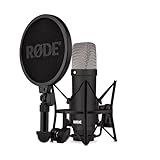
| RØDE NT-USB+ | USB-C; 3.5 mm headphone output and volume/mix controls | Cardioid | Approx. 184 × 62 × 50 mm; about 540 g | Plug-and-play podcasting, calls and narration |
| HyperX QuadCast 2 | USB-C; headphone output; onboard gain and mute controls | Selectable cardioid, bidirectional, omnidirectional and stereo | Approx. 210 × 125 mm with stand; about 600 g | Shared conversations, gaming and users who need several patterns |
Dimensions vary depending on whether a manufacturer measures the microphone, stand, shock mount or complete desktop assembly. The figures above are useful for planning desk space, not for exact shelf fitting.
Which microphone should you choose?
Choose the Shure MV7+ for calls and podcasts in a difficult room
The MV7+ is the strongest choice when speech is the priority and your room is not acoustically treated. Its dynamic capsule is less eager than a sensitive condenser to capture keyboard clicks, air conditioning and room reflections. The USB connection provides a straightforward computer setup, while the XLR output lets you keep the microphone when you eventually add an audio interface.
Its software includes useful speech-processing options such as automatic level management, a digital pop filter and reverb reduction. These features cannot replace good microphone technique, but they make inconsistent speaking distance more forgiving. The trade-off is that a dynamic microphone usually needs you to speak closer and slightly off-axis. It is also physically deeper and heavier than the smallest streaming microphones.
Choose the AT2020USB-X for recording detail on a budget
The AT2020USB-X is a cardioid condenser microphone with a clear, detailed presentation that suits voice-over, singing, acoustic guitar and online meetings. Cardioid pickup favors the front and rejects much of the sound behind the microphone, so aim its front toward your mouth and keep loud computer fans behind it rather than beside it.
Compared with a dynamic podcast microphone, the AT2020USB-X can reveal more room sound and mechanical noise. That is an advantage in a quiet room and a disadvantage in a bare room with hard walls. It includes a headphone output for direct monitoring and a mix control, allowing you to blend microphone audio with computer playback without depending entirely on software monitoring.
Choose the Elgato Wave:3 for streaming and desk-based content
The Wave:3 is particularly convenient when your stream includes a game, music, voice chat and microphone audio at the same time. Its companion mixer routes and balances separate audio sources before they reach the streaming application. That workflow is more valuable to a streamer than a small difference in capsule specifications.
It is a cardioid condenser, so it works best when placed close to the speaker and away from noisy equipment. Clipguard processing helps reduce harsh digital clipping when you suddenly speak louder. The compact microphone body takes little desk space, although its stand still occupies a meaningful area and a boom arm may be preferable if your keyboard is close to the microphone.
Choose the RØDE NT-USB+ for uncomplicated USB recording
The NT-USB+ is a sensible middle ground for users who want a familiar studio-style condenser without building an audio setup around it. USB-C, a headphone output, direct monitoring and gain controls make it easy to use for calls, narration and podcasting. Its included desktop arrangement is convenient for a permanent workstation, while a compatible boom arm can move it away from the keyboard.
It has a cardioid pattern rather than multiple selectable patterns. That is not a limitation for most solo speakers: one useful pattern is often easier to position correctly than several modes that are rarely used. Select it when consistent speech quality matters more than advanced routing or two-person recording.
Choose the HyperX QuadCast 2 when pickup-pattern flexibility matters
The QuadCast 2 is the most adaptable option in this group for changing situations. Cardioid suits one speaker, bidirectional suits two people facing one another, omnidirectional can capture a group around a table, and stereo can suit certain musical or ambient recordings.
Multiple patterns do not automatically make it better for calls. Omnidirectional pickup also captures more room noise, and two people will still need careful placement. Choose it when you will actually record interviews, shared gaming sessions or group discussions; for a solo podcast, a simpler cardioid microphone may provide a cleaner workflow.
USB connection options that affect your decision
- USB-only: The easiest route for calls, streaming and home recording. You connect directly to a computer, tablet or compatible hub and avoid a separate audio interface.
- USB plus XLR: The MV7+ offers a longer upgrade path. USB handles immediate computer use, while XLR can connect to an interface, mixer or recorder later. XLR itself does not improve a recording unless the rest of the signal chain and room also support the improvement.
- USB-C versus USB-A: USB-C is the current connector on many newer microphones, but the computer may still need an adapter or a suitable cable. Check whether the included cable matches your device before buying.
- Headphone monitoring: A 3.5 mm output on the microphone lets you hear your voice with negligible delay. This is preferable to monitoring through an application that may introduce an irritating echo.
Decision matrix: match the microphone to the situation
| Your situation | Recommended direction | Why |
|---|---|---|
| Small budget, quiet room, occasional calls | Basic cardioid USB condenser | Good speech detail without paying for unused routing features |
| Noisy room or shared home office | Shure MV7+ | Dynamic pickup and processing make room noise easier to manage |
| Frequent live streaming with several audio sources | Elgato Wave:3 | Software mixing and clipping protection simplify live control |
| Voice, guitar or singing in a quiet room | AT2020USB-X or RØDE NT-USB+ | Condenser detail and direct headphone monitoring suit recording |
| Two-person or group recording | HyperX QuadCast 2 or two individual microphones | Multiple patterns help, but separate microphones provide better control |
| Very limited desk depth | Compact microphone on a boom arm | Moves the stand away from the keyboard and preserves usable workspace |
How to set up a USB microphone properly
- Place it 10–20 cm from your mouth. This gives a strong voice signal while keeping room sound lower. Dynamic models often benefit from the shorter end of this range.
- Point the correct side toward you. Cardioid microphones reject sound best from the rear, not necessarily from the side. Check the manufacturer’s front marking.
- Speak slightly across the capsule. Turning the microphone a little away from a direct breath stream reduces plosive bursts without making the voice dull.
- Set input gain with headroom. During your loudest normal speech, leave roughly 12 dB of digital headroom rather than recording close to 0 dB. Boosting a quiet recording is safer than repairing clipped audio.
- Monitor with headphones. Listen for keyboard noise, fan noise, room echo and mouth clicks before starting a call or recording.
Ownership, maintenance and common mistakes
The first parts that tend to wear are cables, USB connectors, stand threads, shock-mount elastics and foam windscreens—not the capsule itself. Avoid hanging a heavy microphone from a loose desk clamp, and do not twist a USB connector under tension. A boom arm reduces accidental knocks but adds another set of clamps and joints to tighten.
Wipe the exterior with a dry or lightly damp microfiber cloth. Do not spray cleaner into the grille, soak a foam windscreen, or use compressed air directly against the capsule. Let a removable windscreen dry completely before reinstalling it. If several people use the microphone, a replaceable windscreen is a useful low-cost consumable.
The most common mistake is buying a sensitive condenser for a noisy room and then trying to solve the problem with aggressive noise reduction. Start with placement, distance and room control. A curtain, rug, bookcase or soft furnishings can reduce reflections; keeping the microphone close to your mouth reduces the amount of everything else it hears.
Final verdict
For the broadest range of calls and podcast rooms, choose the Shure MV7+. For detailed home recording, the Audio-Technica AT2020USB-X is the better fit when the room is quiet. Streamers who need software control should choose the Elgato Wave:3, while the RØDE NT-USB+ is the cleanest uncomplicated option. Pick the HyperX QuadCast 2 only when its selectable pickup patterns solve a real recording problem, rather than simply adding features to the specification sheet.




Write Your Review
No reviews yet. Be the first to share your experience!