

Key takeaways
- The FG800 and FS800 share a solid spruce top; the FG800 is a full dreadnought with a 650 mm (25 9/16-inch) scale, while the FS800 is a smaller concert-style body with a shorter scale, per Yamaha’s spec tables.
- The FGX800C adds a cutaway and an under-saddle piezo with a System66 preamp, which is the practical way to plug in.
- TransAcoustic models such as the FG-TA and FS-TA add built-in chorus and reverb through the guitar itself, with no external amp needed.
- For classical, the C40 is the lowest-cost full-size nylon guitar, and the CG122MS adds a solid spruce top and a 52 mm nut, per Yamaha.
- On the electric side, the Pacifica series is the value choice and the Revstar line is the step-up with dual humbuckers.
The best Yamaha acoustic guitars for most people are the FG800 for steel-string value, the FS800 for a smaller body, the FGX800C when you need to plug in and the CG122MS for classical, with the Pacifica 112V as the best Yamaha electric. Yamaha is known for consistent factory builds, so the real question is not quality but which features you need. This guide ranks the best Yamaha guitars by what each step up in the lineup actually adds, from a first acoustic to a TransAcoustic that adds reverb without an amp.
Our top picks


As an Amazon Associate we earn from qualifying purchases at no extra cost to you.
Key takeaways
- The FG800 and FS800 share a solid spruce top; the FG800 is a full dreadnought with a 650 mm (25 9/16-inch) scale, while the FS800 is a smaller concert-style body with a shorter scale, per Yamaha’s spec tables.
- The FGX800C adds a cutaway and an under-saddle piezo with a System66 preamp, which is the practical way to plug in.
- TransAcoustic models such as the FG-TA and FS-TA add built-in chorus and reverb through the guitar itself, with no external amp needed.
- For classical, the C40 is the lowest-cost full-size nylon guitar, and the CG122MS adds a solid spruce top and a 52 mm nut, per Yamaha.
- On the electric side, the Pacifica series is the value choice and the Revstar line is the step-up with dual humbuckers.
Quick comparison of the best Yamaha guitars
| Model | Type | Scale | Top / body | Electronics | Cost tier |
|---|---|---|---|---|---|
| FG800 | Steel-string dreadnought | 650 mm | Solid spruce / nato | None | Low |
| FS800 | Steel-string concert | Shorter scale | Solid spruce / nato | None | Low |
| FGX800C | Cutaway dreadnought | 650 mm | Solid spruce / nato or okume | Piezo with System66 | Low-mid |
| FG-TA | TransAcoustic dreadnought | 650 mm | Solid spruce / mahogany | Built-in chorus and reverb | Mid |
| C40 | Classical | About 650 mm | Laminate | None | Lowest |
| CG122MS | Classical | 650 mm | Solid spruce / nato | None | Low-mid |
| Pacifica 112V | Electric | 25.5 in class | Solid body | HSS pickups | Low-mid |
Tier words are relative. Yamaha updates finishes and revision letters (for example FG800J) often, so confirm the details on the listing.
What each Yamaha upgrade actually buys you
Yamaha builds in clear steps, and the cleanest way to choose is to ask what you are paying for. The base FG800 gives you a solid top and a classic dreadnought shape. The FS800 shrinks the body. The FGX800C adds a cutaway and a pickup. The FG-TA adds onboard effects. Each step has a real use case, and skipping the ones you do not need saves money.
| Step | Adds | Worth it if |
|---|---|---|
| FG800 base | Solid spruce top, dreadnought body | You want the most guitar for the lowest cost |
| FS800 | Smaller concert body | You find a dreadnought too large |
| FGX800C | Cutaway and piezo pickup | You play at open mics or in a band |
| FG-TA or FS-TA | Built-in chorus and reverb | You want effects at home without an amp |
| CPX or APX models | Thin-body electro-acoustics | You mostly play plugged in |
How we picked these Yamaha guitars
This is a research-based guide. We did not personally use these guitars. We compared Yamaha’s published spec tables, retailer listings and published professional reviews, then picked models that cover distinct jobs: value steel-string, small body, stage-ready, built-in effects, budget classical, step-up classical and electric. Where sources disagree, such as the fingerboard wood on the FGX800C, we say so.
1. Yamaha FG800: Best value steel-string acoustic
The FG800 is the guitar most often recommended for a first acoustic with a solid top. Yamaha’s spec table lists a solid spruce top and a 650 mm (25 9/16-inch) scale, with nato or okume back and sides depending on the source, and a neck with a nut around 43 mm.
The latest revision is sold as the FG800J, and Yamaha also sells related FG820 and FG830 models with different back and side woods. Because the top is solid, the FG800 tends to sound fuller and improve more over time than a laminate guitar at the same cost.
- Dreadnought · 650 mm (25 9/16 in) scale · solid spruce top · nato or okume back and sides · no pickup
- Nut width around 43 mm per a retailer comparison
- Fingerboard wood is listed as rosewood or walnut depending on the source
- FG820 and FG830 variants step up in back and side woods
- A cutaway FGX800C version adds electronics
Best for: First guitars, home players and strummers who want a solid top at a low cost tier. Skip if: You need a pickup or a small body.
Pros
- Solid spruce top at a low tier
- Consistent factory build
- Strong resale value
Cons
- Plain appearance
- No electronics
2. Yamaha FS800: Best smaller-body acoustic
The FS800 is the concert-style sibling of the FG800. Yamaha’s catalog lists a smaller body, about 380 mm wide, and a 634 mm (25-inch) scale, with a solid spruce top. The smaller body is more comfortable seated and for younger or smaller players.
Volume and bass are slightly lower than a dreadnought, but clarity is good, which makes it a pleasant fingerpicking guitar.
- Concert body · about 634 mm scale · solid spruce top · nato back and sides · no pickup
- FS800J is the current revision
- FSX800C adds a cutaway and electronics
- Smaller body width of about 380 mm per Yamaha
Best for: Smaller players and fingerstyle beginners. Skip if: You want maximum bass and volume.
Pros
- Comfortable body
- Solid top
- Clear tone
Cons
- Less volume than a dreadnought
- No pickup on the base model
3. Yamaha FGX800C: Best Yamaha acoustic-electric for the stage
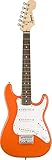
The FGX800C takes the FG800 formula and adds a cutaway and an under-saddle piezo pickup with a System66 preamp. It keeps the 650 mm scale and a solid spruce top, with nato or okume back and sides.
Retailers disagree on whether the fingerboard is rosewood or walnut, so confirm the listing. For most players the practical benefit is that the guitar is ready for a PA or an acoustic amp.
- Cutaway dreadnought · 650 mm scale · solid spruce top · piezo pickup with System66 preamp
- Nato neck
- Ruby Red and Natural finishes appear in listings
- Related FSX800C is the concert version
- Cutaway aids upper-fret access
Best for: Performers and worship players who need a reliable plug-in guitar. Skip if: You never plug in.
Pros
- Stage-ready
- Solid top
- Strong value
Cons
- Preamp is functional rather than refined
- Cutaway slightly reduces body volume
4. Yamaha FG-TA TransAcoustic: Best for built-in effects
The TransAcoustic line puts chorus and reverb inside the guitar, using the body itself to carry the effect, so you can hear reverb unplugged. Yamaha’s catalog lists the FG-TA with a solid spruce top, mahogany back and sides, a nato neck, a 650 mm scale and a 44 mm nut.
The idea is practical for home practice and small rooms: you get a spacious sound without an amp or pedals. Variants include the FS-TA concert, CSF-TA parlor and a nylon-string CG-TA.
- Dreadnought · 650 mm scale · 44 mm nut · solid spruce top, mahogany back and sides · built-in chorus and reverb
- Vintage Tint and Black finishes
- Related FS-TA concert and CSF-TA parlor
- A second-generation TransAcoustic also appears in listings
- Good for songwriting at home
Best for: Players who want effects without an amp. Skip if: You prefer a purely acoustic guitar.
Pros
- Built-in reverb and chorus
- Solid top
- Quiet, convenient practice
Cons
- Higher cost tier
- Electronics add complexity
5. Yamaha C40: Best budget classical guitar
The C40 is Yamaha’s classic budget nylon-string guitar and a common first classical in schools. It is a full-size guitar with a laminate body, designed to be sturdy and easy to play.
Sources disagree on the scale length, with one catalog entry listing 648 mm and another 650 mm, which is a trivial difference in practice. It is the guitar to pick if you want nylon strings and a low cost tier.
- Full-size classical · about 650 mm scale · nylon strings · laminate body
- Tan finish
- Sturdy student guitar
- Related models: CG102 and CGS103AII student guitars
- Half-size CGS102A for small children
Best for: Students and casual players. Skip if: You want a solid-top classical.
Pros
- Lowest cost tier
- Durable
- Widely available
Cons
- Laminate top
- Basic sound
6. Yamaha CG122MS: Best step-up classical
The CG122MS gives you a solid spruce top with nato back, sides and neck, a rosewood fingerboard and bridge, and a 650 mm scale. The nut is 52 mm, per Yamaha, which is the standard classical width that gives more space between strings than a steel-string guitar.
There is also a CG122MCH with a solid cedar top, which sounds warmer and mellower. Choose spruce for brighter clarity and cedar for warmth.
- Classical · 650 mm scale · 52 mm nut · solid spruce top · nato back, sides and neck · rosewood board
- CG122MCH is the cedar-top version
- CG162S and CG192C are higher-tier classical options
- Nylon strings need less finger pressure
Best for: Serious classical beginners and intermediate players. Skip if: You want a pickup or a steel-string feel.
Pros
- Solid top at a low-mid tier
- Standard classical nut
- Spruce or cedar choice
Cons
- No electronics
- Wider neck takes adjustment
7. Yamaha Pacifica 112V: Best Yamaha electric for the money
The Pacifica 112V is Yamaha’s long-running value electric. Its HSS pickup layout, with a humbucker in the bridge position and two single coils, covers a lot of styles, from clean funk to rock. Yamaha lists the Pacifica line on a 25.5-inch scale.
It is available in several finishes including Black, Sonic Blue and Old Violin Sunburst, and a GigMaker pack bundles an amp and accessories for beginners.
- Solid body · HSS pickups · 25.5-inch scale class · tremolo bridge · multiple finishes
- PAC112V and PAC112VM variants
- PAC012 and PAC012DLX are cheaper options
- Pacifica Standard Plus and PAC611 step up
- Check each listing for body wood
Best for: Beginners and players who want a versatile first electric. Skip if: You want hotter pickups for metal.
Pros
- Versatile HSS layout
- Comfortable build
- Low-mid cost tier
Cons
- Standard pickups
- Basic tremolo
Also consider
- Yamaha Revstar Element RSE20: a dual-humbucker electric that a guide lists with a shorter 24.75-inch scale; confirm on the listing.
- Yamaha APX600: a thin-body acoustic-electric with a 634 mm scale, spruce top and nato back and sides.
- Yamaha F400: a lower-tier acoustic marketed for beginners with a comfortable scale length and spacing.
- Yamaha CGS102A: a half-size classical for young children.
Best Yamaha acoustic guitars for beginners
For acoustic, the FG800 is the safest pick because the solid top will keep improving. The FS800 is the better choice for small hands. If you want to practice with effects at home, the FG-TA is the most distinctive option. For classical, the C40 is the budget option and the CG122MS is the better long-term guitar. For electric, the Pacifica 112V is the usual starting point.
A small tip: whichever Yamaha you choose, a quick setup by a shop can lower the action and make a noticeable difference to comfort.
Best Yamaha classical guitars: what to check
Classical guitars differ from steel-string guitars in several ways that matter when you shop. The nut is wider, typically 52 mm, so the strings are further apart. The strings are nylon and under lower tension, which is gentler on the fingertips. The top wood choice matters more: spruce is brighter and cedar is warmer.
| Model | Top | Body | Best for |
|---|---|---|---|
| CGS102A | Laminate | Half-size | Young children |
| C40 | Laminate | Full-size | Students and casual players |
| CG102 | Spruce top as listed | Full-size | Beginner step-up |
| CG122MS | Solid spruce | Full-size | Serious beginners |
| CG122MCH | Solid cedar | Full-size | Warmer tone |
| CG162S, CG192C | Higher-tier spruce | Full-size | Intermediate players |
Yamaha model names decoded
Yamaha’s naming is more logical than most. The letters tell you the body, and the suffixes tell you the electronics.
| Letters | Example | Meaning |
|---|---|---|
| FG | FG800, FG830 | Folk guitar: dreadnought steel-string |
| FS | FS800, FS-TA | Folk small: concert-sized steel-string |
| X | FGX800C, FSX800C | Electronics fitted (piezo and preamp) |
| C (end) | FGX800C | Cutaway |
| TA | FG-TA, CG-TA | TransAcoustic with built-in effects |
| APX, CPX | APX600, CPX600 | Thin-body or standard-body electro-acoustics |
| C or CG | C40, CG122MS | Classical, nylon string |
| PAC or Pacifica | PAC112V | Electric guitar series |
Pick a Yamaha by hand size and playing style
Players often choose by price and then regret the body size. A better method is to match the guitar to your hands and the music you play. The table below turns that into a simple decision matrix.
| Your situation | Best fit | Reason |
|---|---|---|
| Small hands or smaller frame | FS800 or APX600 | Shorter scale and smaller body |
| Big strummer, singer | FG800 | Full dreadnought projection |
| Plays gigs or worship sets | FGX800C | Cutaway and piezo |
| Practices late at night, likes reverb | FG-TA | Built-in effects, headphone-friendly |
| Wants nylon strings | C40 then CG122MS | Gentle on fingers, classical neck |
| Plays rock or pop | Pacifica 112V | HSS versatility |
| Young child | CGS102A | Half-size classical |
Best Yamaha electric guitars beyond the Pacifica
The Pacifica is the value electric, but Yamaha’s Revstar line is the step-up. Listings show the Revstar Element RSE20 and the Standard RSS02T and RSS20 at higher cost tiers, with dual humbuckers, a retro-modern body and a lower-tier Element version aimed at players who want something different from a Strat or Les Paul. One left-handed guide describes the RSE20 and RSS20 as having a shorter 24.75-inch scale, so check the listing if scale length matters to you. Matteo Mancuso’s signature Revstar sits at the top of the range.
In practical terms, the Pacifica is for a first electric and a flexible tone, while a Revstar is for a player who has outgrown the basics and wants a more distinctive instrument.
First-week checklist for a new Yamaha acoustic
- Tune and stretch the strings. New strings settle over a few days, so retune often at first.
- Check action at the 12th fret. If the strings feel high, a shop adjustment of the saddle or truss rod can help, and it costs little.
- Measure room humidity. A hygrometer shows if you are in the 40 to 50 percent range recommended for solid tops.
- Choose a string gauge. Light gauge is the common starting point. Extra light is easier on the fingers but quieter.
- Buy a case or gig bag. A padded bag protects against scratches and bumps.
These steps take less than an hour and prevent most of the early frustrations that make beginners give up. A solid-top guitar like the FG800 rewards this care because the wood responds to humidity and string choice.
Common mistakes when buying a Yamaha
- Paying for a pickup you will not use. The FGX800C and the TransAcoustics cost more than the plain FG800. If you only play at home, the FG800 gives you the same solid top for less.
- Confusing revision letters. The FG800J is the current revision of the FG800, and retailer pages sometimes list older and newer versions together. Read the model code before you buy.
- Buying a classical for steel-string habits. A classical neck is wide and flat, and nylon strings feel very different. If you want to play steel-string songs, buy a steel-string guitar.
- Ignoring the scale. The FS800 and APX600 use a 634 mm scale while the FG models use 650 mm. The difference is only 16 mm, but it changes tension enough to matter on bends and barre chords.
- Skipping accessories. A tuner, a gig bag and a spare set of strings are the real starter kit. A bundle with a built-in amp is useful only for electric guitars.
Why Yamaha is the safe default
Yamaha is rarely the most exciting name on a headstock, but reviewers frequently point to it when a buyer wants something dependable. The FG line is a long-running series, and the consistent factory setup means the guitar you receive is more likely to match the spec sheet than many low-cost competitors. That reliability is why this guide leans on Yamaha for value picks across acoustic, classical and electric categories.
Buying guide: how to choose among the best Yamaha guitars
- Pick the guitar type. Steel-string for strumming and pop, nylon for classical and gentle fingerstyle, electric for rock and band work.
- Decide body size. A dreadnought (FG800) is the loudest. A concert (FS800) is more comfortable. A parlor or thin body is lighter and quieter.
- Check the scale. 650 mm (25 9/16 in) for FG models, 634 mm (25 in) for FS and APX models. A shorter scale feels looser and may suit small hands.
- Look at the top. A solid spruce top, as on the FG800 and CG122MS, is the main quality marker at this tier.
- Decide on electronics. If you gig, choose the X or electro model. If you practice at home, a TransAcoustic is a nice option, but a plain FG800 costs less.
- Check nut width. Around 43 to 44 mm for steel-string, 52 mm for classical. A wider nut suits fingerpicking and classical technique.
- Plan a setup. A shop setup is cheap and improves comfort.
- Mind humidity. Solid-top guitars should be kept near 40 to 50 percent relative humidity according to common maker guidance.
Frequently Asked Questions
What is the best Yamaha acoustic guitar for a beginner?
The FG800 is the most common recommendation because it has a solid spruce top at a low cost tier. The FS800 is a good alternative if you prefer a smaller body.
What is the difference between the FG800 and FS800?
The FG800 is a dreadnought with a 650 mm scale. The FS800 is a smaller concert body with a shorter scale of about 634 mm. Both have a solid spruce top.
What is a Yamaha TransAcoustic guitar?
It is a guitar with built-in chorus and reverb that uses the body itself to produce the effect, so you can hear it without an amp. The FG-TA, FS-TA and CG-TA are examples.
Is the Yamaha C40 a good classical guitar?
It is a good budget classical for students. It has a laminate body and plain sound. Step up to the CG122MS if you want a solid top.
Is the Pacifica 112V a good first electric?
Yes. Its HSS pickup layout is versatile, and Yamaha’s build is consistent. It is a common first electric.
Do Yamaha guitars hold their value?
Solid-top models like the FG800 and CG122MS hold value reasonably well. Entry laminate models depreciate more.
Should I buy the FG800 or step up to the FG830?
The FG800 is the better value for most beginners. The FG830 changes the back and side woods for a different tonal color, which is worth it only if you have played both and prefer the voice. The solid spruce top is the part that matters most.
Can I play steel strings on a classical guitar?
No. Classical guitars are built for lower-tension nylon strings, and steel strings can damage the neck and top. Buy a steel-string model if you want that sound.
Does Yamaha make left-handed guitars?
Yes, some models such as the FG800 and Pacifica have left-handed versions in listings, though availability varies.
Which Yamaha should you buy?
- Value steel-string: FG800.
- Smaller body: FS800.
- Plug-in acoustic: FGX800C.
- Built-in effects: FG-TA.
- Budget classical: C40.
- Step-up classical: CG122MS.
- First electric: Pacifica 112V.
If you are undecided, start with the FG800. It has a solid top, reliable build and a proven track record.
Sources
Yamaha published spec tables and catalog, Yamaha Music Store comparison, Guitar World, Sweetwater and Guitar Center listings.
Last updated: October 2026




Write Your Review
No reviews yet. Be the first to share your experience!