

Key takeaways
- A Tele’s bite comes from its bridge pickup and metal bridge plate; the three-saddle bridge on most models gives the classic twang.
- Entry models (Squier Sonic and Affinity) use simpler single-coils; Classic Vibe and Player II models use alnico pickups, per the maker listings.
- HH Teles add thickness for rock and heavier music, but lose some of the clucky, country-style snap.
- Check the fingerboard: maple feels brighter and glossy, rosewood or laurel feels warmer and smoother.
- Because a Tele has so few parts, upgrading pickups, saddles or a nut is simple and inexpensive.
The best Telecaster style guitars for most players are the Squier Classic Vibe 50s Telecaster for a vintage-voiced mid-tier buy and the Fender Player II Telecaster when you want the genuine brand with 22 frets and alnico pickups. If you need more power for rock and studio work, the Fender Player II Telecaster HH swaps the single-coils for humbuckers, while the Squier Affinity Telecaster is the sensible way into the shape at an entry-level price. The G&L Tribute ASAT Classic and Schecter PT Standard round out the list for players who want something a little different.
The Telecaster is the simplest electric guitar ever made: a slab body, a bolt-on neck, two single-coils and a three-way switch. That simplicity is exactly why small details matter, from the bridge plate to the neck pickup’s height. This guide ranks Tele style guitars by what they do on stage and in the studio, not by badge alone.
Our top picks


As an Amazon Associate we earn from qualifying purchases at no extra cost to you.
Key takeaways
- A Tele’s bite comes from its bridge pickup and metal bridge plate; the three-saddle bridge on most models gives the classic twang.
- Entry models (Squier Sonic and Affinity) use simpler single-coils; Classic Vibe and Player II models use alnico pickups, per the maker listings.
- HH Teles add thickness for rock and heavier music, but lose some of the clucky, country-style snap.
- Check the fingerboard: maple feels brighter and glossy, rosewood or laurel feels warmer and smoother.
- Because a Tele has so few parts, upgrading pickups, saddles or a nut is simple and inexpensive.
Quick comparison: best Telecaster style guitars by feature
| Guitar | Best for | Pickups | Scale | Bridge | Frets | Budget tier |
|---|---|---|---|---|---|---|
| Squier Affinity Series Telecaster | First Tele | Two single-coils | 25.5 in | 3-saddle | 21 | Entry |
| Schecter PT Standard | Modern twist on the shape | Two Tele-style pickups | 25.5 in | Check listing | Check listing | Lower-mid |
| Squier Classic Vibe 50s Telecaster | Vintage country and rock | Alnico single-coils | 25.5 in | 3-saddle vintage-style | 21 narrow-tall | Mid |
| Fender Player II Telecaster | Gigging all-rounder | Alnico V single-coils | 25.5 in | 3-saddle | 22 | Upper-mid |
| Fender Player II Telecaster HH | Rock and studio | Alnico II humbuckers | 25.5 in | 3-saddle | 22 | Upper-mid |
| G&L Tribute ASAT Classic | Players who want a boutique-style Tele | G&L single-coils | 25.5 in | Saddle-Lock | Check listing | Upper end |
The three jobs a Telecaster does best
Country and roots: bridge pickup, hard attack
The bridge position on a Tele is bright, direct and punchy, which is why it dominates country, rockabilly and Americana. Players often roll the tone knob back a little to avoid ice-pick highs. A three-saddle bridge with brass or steel saddles accentuates this snap; vintage-style models such as the Classic Vibe 50s keep that design.
Rock and indie rhythm: middle position and overdrive
The middle position (both pickups together) is a Telecaster signature: a fuller, hollow-ish tone with chime. Add a mild overdrive pedal and it covers everything from garage rock to shoegaze chords. A Tele’s slab body keeps the attack tight, so strumming stays clear even with moderate gain.
Studio utility: neck pickup and clean tones
The neck pickup is warm and round, ideal for jazz-leaning cleans, soul rhythm and smooth lead lines. If you record, a Tele’s quiet body and simple wiring make it easy to fit into a mix. HH versions go even further with lower noise and added sustain, which is why they appeal to session players.
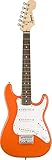
1. Squier Affinity Series Telecaster: Best entry-level Tele
- 25.5 inch scale · maple neck, modern C shape · maple or laurel fingerboard depending on finish
- 21 frets · 9.5 inch radius, per the maker spec
- Two Squier single-coil Tele pickups · three-way switch · three-saddle string-through bridge
- Poplar body · 2-year warranty noted in the listing
Best for: beginners and returning players who want the authentic shape and a straightforward twangy tone.
Skip if: you want alnico single-coils and a bone nut out of the box.
Pros
- Entry-level price for a real Tele layout
- Simple controls that are easy to learn
- Light poplar body that is comfortable for long sessions
- Easy to upgrade with pickups or a better bridge later
Cons
- Stock pickups are more basic and less sweet than the alnico sets on higher models
- Body wood and fingerboard material vary slightly by finish
2. Schecter PT Standard: Best for a modern twist on the T-shape
- Tele-influenced PT body with a burl top finish · bolt-on neck · 25.5 inch scale
- Two single-coil style pickups (confirm the pickup set on the exact variant) · three-way switch
- Fret count and bridge details differ by variant, so confirm them on the listing
- Offered in several burl-top finishes such as Black Fade Burst and Purple Burst
Best for: players who like the Tele concept but want a more eye-catching modern look and a lower-key brand than Fender.
Skip if: you want the exact vintage look and feel of a classic Telecaster.
Pros
- Standout finishes that look different on stage
- Fresh, modern look compared with the traditional Tele outline
- Good alternative for players who find the classic Tele a little plain
- Competitively tiered between entry and mid
Cons
- Pickup details differ between variants, so check the listing
- Less widespread aftermarket support than Fender-standard parts
3. Squier Classic Vibe 50s Telecaster: Best for vintage twang
- 25.5 inch scale · maple neck with maple fingerboard · 9.5 inch radius · 21 narrow-tall frets
- Fender-designed alnico single-coil pickups · three-way switch · vintage-style three-saddle bridge
- Pine body per the maker listing · vintage-style tuners · gloss finish
- 2-year warranty in the listing
Best for: country, rockabilly and roots players who want 1950s looks and voicing from a mid-tier guitar.
Skip if: you play heavily distorted music and need a quieter, higher-output pickup.
Pros
- Alnico pickups give a clear, sparkling bridge tone
- Vintage-style hardware keeps the classic Tele character
- Lightweight pine body is comfortable
- Popular platform with plenty of mods and accessories
Cons
- Narrow-tall frets feel different from modern jumbo frets
- Single-coils hum in noisy electrical environments
4. Fender Player II Telecaster: Best gigging all-rounder
- 25.5 inch scale · Modern C maple neck · maple or rosewood fingerboard · 9.5 inch radius
- 22 medium jumbo frets · rolled fingerboard edges
- Player Series Alnico V Tele single-coil pickups · three-way switch · three-saddle string-through bridge
- Alder body (chambered ash and mahogany versions also exist) · made in Mexico
Best for: working guitarists who want a dependable Tele with modern neck comfort and classic tone.
Skip if: a tighter budget makes the mid-tier Squier a smarter use of funds.
Pros
- Authentic Fender build with high parts availability
- Rolled edges and 22 frets feel modern and comfortable
- Alnico V single-coils give strong bridge twang and a smooth neck pickup
- Strong resale and upgrade support
Cons
- Upper-mid price tier
- Finish and fingerboard choices affect cost
5. Fender Player II Telecaster HH: Best for rock and studio work
- 25.5 inch scale · Modern C maple neck · rosewood or maple fingerboard · 22 medium jumbo frets
- Two Player Series Alnico II humbucking pickups · three-way switch
- Alder body · three-saddle string-through bridge · ClassicGear tuners
Best for: rock, alternative and session players who want Tele ergonomics with noise-free, thicker pickups.
Skip if: you want that spiky country snap from a single-coil bridge pickup.
Pros
- Humbuckers handle drive pedals and amp gain well
- Low hum is convenient in studios and noisy venues
- Same neck and body comfort as the standard Player II
- Works for jazz-leaning cleans and heavier tones
Cons
- Sounds less traditional than the single-coil version
- Costs slightly more than the standard model
6. G&L Tribute ASAT Classic: Best for a boutique-leaning Tele
- 25.5 inch scale · bolt-on maple neck · two G&L single-coil pickups with Magnetic Field Design
- Saddle-Lock bridge system · 3-way switch
- Offered in standard and Bluesboy variants · typically listed in upper-tier pricing for an import Tele
Best for: players who like the Tele concept but prefer a design by Leo Fender’s later company, with its own pickups and hardware.
Skip if: you want the broadest range of replacement parts and finishes.
Pros
- Distinct pickups and bridge hardware
- Strong reputation with tone enthusiasts
- Different voice from standard Fender and Squier models
- Bluesboy variant offers a slightly different feel
Cons
- Upper-tier price for a Tribute-level instrument
- Check the listing for body wood and finish, as variants differ
Also consider
- Squier Sonic Telecaster: 25.5 inch scale · poplar body · maple or laurel fingerboard · single-coil Tele pickups. A very low-cost route into the shape.
- Squier Classic Vibe 60s Custom Telecaster: bound body · Fender-designed alnico single-coils · laurel fingerboard. Dressier than the 50s model.
- Squier Classic Vibe 60s Thinline Telecaster: semi-hollow body for a lighter, airier tone. Check the pickup set on the listing.
- Leo Jaymz TL: mahogany body · maple neck · Alnico V pickups · locking tuners. A budget alternative for modders.
How We Chose
This list is research-based: we did not personally use the products. We compared maker spec sheets, retailer listings and published reviews to pick guitars that deliver a Tele’s core features: slab body, bolt-on neck, a pair of pickups and a 25.5 inch scale. We looked for clear steps in quality across budget tiers, limited each brand to two main picks and avoided quoting prices because they change often.
Where listings differ on body wood, fingerboard or pickups, the entry says so. Always check the exact finish and variant before buying.
Telecaster switch and control layout, explained
| Control | Setting | What you hear | Typical use |
|---|---|---|---|
| 3-way switch | Bridge only | Bright, cutting, punchy | Country lead, rockabilly, funk chops |
| 3-way switch | Both pickups | Fuller, chimey, slightly hollow | Rhythm strumming, indie, power-pop |
| 3-way switch | Neck only | Warm, round, smooth | Jazz-leaning cleans, soul, slow blues |
| Volume knob | Full to roughly 7 | Cleans up when rolled back, keeps highs | Switching between crunch and clean without a pedal |
| Tone knob | Rolled back | Softer top end, less ice-pick | Taming a bright bridge pickup |
A standard Tele has a single volume and a single tone control, which is why players tend to learn the guitar’s response through their picking hand instead of through switches. Some HH models and thinline versions add extra controls, so check the layout on the listing if you rely on a particular wiring.
Amps and pedals that suit a Telecaster
Because a Tele is bright and direct, it pairs well with amps that have warmth in the midrange. A clean tube or tube-style combo with some natural compression lets the bridge pickup sing without becoming harsh. Light overdrive, a compressor and a touch of spring or plate reverb are the traditional companions. For country and roots playing, a compressor pedal evens out chicken-pickin’ dynamics. For indie and rock, a transparent overdrive or a fuzz works well, since the single-coil bridge pickup cuts through the mix. If you buy an HH version, you may need less gain from your amp or pedals, so start with the drive control low and bring it up gradually.
If you plan to play at low volume at home, a modeling amp or a small practice amp with a clean channel is perfectly adequate for any of the guitars above. The guitar matters more than the amp at that stage, particularly the neck feel and the pickup response.
Strings, tuning and playing feel
Most Tele style guitars ship with light gauge strings, often 9 to 42. On a 25.5 inch scale, that gauge feels lively and easy to bend. If you prefer a fuller sound or tune down a half step, a 10 to 46 set adds tension and body. Bending on a Tele can feel slightly stiffer than on a shorter-scale single-cut, so many players use light strings for lead work. Because the three-saddle bridge shares saddles between string pairs, intonation is a compromise; a good setup will get close, and compensated brass saddles can improve it further.
Also think about string-through-body construction. Most of these guitars thread the strings through the body, which adds sustain and a snappier attack.
Common upgrades and what they change
- Pickups: The biggest tonal change. A hotter bridge pickup adds drive; a vintage-style set restores sparkle. Entry guitars gain the most from this swap.
- Saddles: Compensated brass or steel saddles can improve intonation and change the high-end character.
- Nut: A bone or graphite nut reduces binding and improves tuning stability after bends.
- Tuners: Locking tuners make string changes faster and improve stability, though they are not essential.
- Wiring: A treble-bleed circuit keeps highs when you roll the volume back, a popular tweak for single-coil guitars.
- Pickguard and plate: Mostly cosmetic, but a heavier bridge plate can add a little sustain.
As with most bolt-on guitars, the neck and body are what you are really buying. Pickups and hardware are replaceable, so pick the neck shape and body weight you like first.
Adjusting pickup height for a better Tele tone
Pickup height is a free tone control. Many single-coil Teles sound harsh because the bridge pickup sits too close to the strings. Lower the bridge pickup slightly if the highs sound thin, and raise it if the guitar sounds weak against the neck pickup. A common starting point is to set each pickup so the gap between the top of the pole piece and the string is a couple of millimetres when the string is pressed at the last fret, then adjust by ear. Raise the neck pickup a little if the middle position sounds too bright, and lower it if the neck tone sounds muddy. Small screws on either side of each pickup make this a two-minute job, and it costs nothing.
It is also worth checking that the pickup cover or neck pickup chrome is secure and that the wiring has not been disturbed in shipping. A properly adjusted entry-level Tele can sound surprisingly close to a more expensive model, which is why setup should come before any upgrade.
Used Telecaster checklist
- Look down the neck. Sight along the fingerboard for a straight or slightly bowed profile; a visibly twisted neck is a red flag.
- Check fret wear. Flat spots in the first five frets suggest a refret may be needed.
- Try every control. Crackling pots or a dead switch position are usually cheap to repair but can be negotiating points.
- Inspect the neck pocket. The neck should sit tight with no visible gap; loose joints affect tone and tuning.
- Check for modifications. Replaced pickups, bridges or rewiring are not necessarily bad, but confirm that parts match the description.
Buying guide: what to look for in a Telecaster style guitar
Pickups: single-coil versus humbucker
Two single-coils give you the classic twang, clear separation and some hum. Two humbuckers give you thicker tone, lower noise and more gain headroom. Many players choose single-coils and add a drive pedal; others buy an HH version for rock or studio use. If you are unsure, buy single-coils; the traditional sound is the point of the instrument.
Alnico versus ceramic magnets
Alnico magnets give a rounder, more dynamic response, while ceramic magnets sound brighter and more aggressive. Entry-tier Squier models tend to use simpler pickups; Classic Vibe and Player II models use alnico types, according to the maker listings.
Bridge: three-saddle versus six-saddle
The three-saddle bridge shares a saddle between two strings, which limits intonation precision but gives the traditional bite. Some modern variants use six saddles for more accurate intonation. If you play with a capo or use unusual tunings, six saddles help. If you want classic twang, the three-saddle design is hard to beat.
Neck shape, radius and frets
A 9.5 inch radius is vintage-curved and comfortable for chords. Narrow-tall frets feel vintage, while medium jumbo frets are easier for bending. A rolled fingerboard edge feels more broken-in. Most Tele necks are bolt-on maple with a C profile; a thicker U profile feels chunkier.
Maple versus rosewood or laurel fingerboards
Maple is bright, snappy and shows wear. Rosewood and laurel feel smoother and sound slightly warmer. The tonal difference is subtle, and many players choose by feel and appearance.
Body wood and weight
Alder is the balanced default. Pine is lighter and has a slightly different resonance. Poplar is a lower-cost, lightweight wood. Chambered ash or mahogany reduces weight further. Published weights for Telecaster style guitars typically range from about seven to nine pounds.
Budget thresholds
Entry-tier guitars give you the shape and layout; mid-tier models add alnico pickups, better hardware and bone nuts; upper-mid models bring in refined necks, improved wiring and better finishes. If you plan to keep one Tele for years, the mid-tier or above is usually worth the step.
Setup and maintenance
A Tele’s three-saddle bridge is easy to intonate; if the high strings sound sharp up the neck, adjust the saddles with a screwdriver. Check string height at the twelfth fret, and keep the neck relief close to flat for easy playing. Maker guidance suggests keeping instruments at a steady 40 to 50 percent relative humidity to protect the neck and finish.
Which one should you buy?
- First Telecaster on a budget: Squier Affinity Series Telecaster, or the Sonic in the also-consider list.
- Vintage country and rockabilly: Squier Classic Vibe 50s Telecaster.
- One guitar for everything: Fender Player II Telecaster.
- Rock, indie and studio: Fender Player II Telecaster HH.
- Something different: G&L Tribute ASAT Classic or Schecter PT Standard.
Frequently Asked Questions
What is the best Telecaster style guitar for country music?
The Squier Classic Vibe 50s Telecaster or the Fender Player II Telecaster, because both have single-coil bridge pickups and the classic three-saddle bridge for twang.
Are Squier Telecasters worth buying?
Yes. The Classic Vibe line in particular is well regarded in published reviews for its vintage-style hardware and alnico pickups, and it offers much of the Fender experience at a lower price tier.
What is the difference between a Strat and a Tele?
A Telecaster has a flat slab body, two pickups, a three-way switch and a bolt-on neck. A Stratocaster has a contoured body, three pickups, a five-way switch and usually a tremolo bridge. Teles sound punchier and more direct; Strats sound glassier and more varied.
Do I need a Tele with humbuckers?
Only if you play loud, high-gain styles or need low noise. For most clean and moderate-drive playing, single-coils are the classic choice.
Can a Telecaster play rock and metal?
It can play rock very well. For heavier styles, an HH model like the Player II Telecaster HH works better because humbuckers handle high gain with less noise.
Is a thinline Telecaster better?
It is lighter and slightly airier in tone, with a semi-hollow body. It suits players who want less weight or a softer attack, but it can feed back at high volumes.
Is a Tele harder to play than a Strat?
Not usually. The slab body is flatter and less comfortable against the ribs for some players, but the neck, scale length and fret size are very similar. Many players find the Tele easier to hold in a seated position.
Which Tele style guitar is lightest?
Thinline, chambered and pine or poplar bodies are generally lighter than solid alder or ash, according to the maker specifications. If weight matters, look for chambered or semi-hollow versions.
Are left-handed models available?
Several Squier and Fender Tele models are offered in left-handed versions, but stock varies by finish and retailer.
Sources
Fender and Squier product pages; G&L Guitars product pages; Schecter Guitar Research product pages; Guitar World; Guitar.com; retailer specification listings.
Last updated: October 2026





Write Your Review
No reviews yet. Be the first to share your experience!