

Key takeaways
- Clean tone starts with pickup output: lower-output single coils, P-90s and vintage-style humbuckers leave more amp headroom than high-gain humbuckers.
- Hollow and semi-hollow bodies add air and sustain to soft chords, which is why they dominate R&B, neo-soul and jazz-leaning sets.
- Strat-style single coils excel at funk and reggae because positions 2 and 4 give the “quack” and sparkle those styles lean on.
- Amp headroom is a power question: a 50-watt amp has about 5 dB more clean headroom than a 15-watt amp, a worked example is in the buying guide.
- Flatwound or half-round strings tame brightness for bossa nova and lo-fi; roundwounds suit funk and reggae.
The best guitars for clean tones are usually hollow or semi-hollow models with low-to-medium output pickups, such as the Epiphone Casino and Ibanez Artcore AS73, or a single-coil Fender Stratocaster for glassy funk and neo-soul chords. What makes a guitar sound “clean” is headroom: pickups that do not push your amp into breakup, a body that rings evenly, and strings that stay in tune under soft playing. This guide ranks seven guitars on those traits and shows how each fits R&B, neo-soul, funk, reggae, lo-fi, ambient and bossa nova.
Our top picks


As an Amazon Associate we earn from qualifying purchases at no extra cost to you.
Key takeaways
- Clean tone starts with pickup output: lower-output single coils, P-90s and vintage-style humbuckers leave more amp headroom than high-gain humbuckers.
- Hollow and semi-hollow bodies add air and sustain to soft chords, which is why they dominate R&B, neo-soul and jazz-leaning sets.
- Strat-style single coils excel at funk and reggae because positions 2 and 4 give the “quack” and sparkle those styles lean on.
- Amp headroom is a power question: a 50-watt amp has about 5 dB more clean headroom than a 15-watt amp, a worked example is in the buying guide.
- Flatwound or half-round strings tame brightness for bossa nova and lo-fi; roundwounds suit funk and reggae.
Quick Comparison: Best Guitars for Clean Tones
| Pick | Body | Pickups | Scale | Best genre fit |
|---|---|---|---|---|
| Epiphone Casino | Hollow, laminated maple | 2 P-90s | 24.75 in | Neo-soul, reggae, indie |
| Epiphone ES-335 | Semi-hollow, center block | 2 humbuckers | 24.75 in | R&B, gospel-leaning, blues |
| Ibanez Artcore AS73 | Semi-hollow, maple | 2 humbuckers | Check listing | Jazz-influenced R&B, lo-fi |
| Ibanez Artcore AF55 | Hollow, linden | 2 humbuckers | Check listing | Bossa nova, jazz, ambient |
| Fender Player II Stratocaster | Solid, alder-style Strat body | 3 single coils | 25.5 in | Funk, neo-soul, pop |
| Squier Classic Vibe 60s Jazzmaster | Solid offset | 2 single coils | 25.5 in | Lo-fi, ambient, indie |
| Gretsch G5622T Electromatic | Center-block double-cut, Bigsby | 2 humbuckers | About 24.6 in | Rockabilly-flavored soul, country-tinged R&B |
Scale and pickup details come from maker spec sheets as summarised by retailers. Where a number is marked “check listing”, revisions of the same model have changed over the years, so confirm the exact version.
What “Clean” Actually Means: Four Traits to Look For
Search for the best guitars for clean tones and you will mostly see lists of famous models. A more useful approach is to understand the four traits that cause a clean sound, then match them to your genre.
- Pickup output. Lower output means the signal into your amp is smaller, so the amp stays clean at higher volume. Single coils, P-90s and vintage-voiced humbuckers sit at the lower end; hot humbuckers sit at the high end.
- Body resonance. Hollow and semi-hollow bodies add acoustic-style bloom, and a center block (as on the ES-335 and Gretsch G5622T) keeps the sound focused and reduces feedback at volume.
- Scale length. Shorter scales (24.6 to 24.75 in) feel rounder and fuller; the 25.5 in scale on Fender-style guitars feels snappier and brighter.
- Strings and setup. Heavier gauges and flatwounds sound warmer and smoother; light roundwounds sound brighter.
1. Epiphone Casino: Best for Neo-Soul Chords and Reggae Skanks
The Casino is a fully hollow guitar with P-90 pickups, a combination associated with a bright-yet-warm sound that sits well in a mix. For neo-soul chords, the neck pickup with the tone rolled back produces a round, vocal sound, and the bridge pickup in reggae gives crisp offbeat skanks. Because it is fully hollow, treat volume carefully on loud stages.
Epiphone Casino · fully hollow laminated maple · 2 P-90 pickups · 24.75 in scale
- Fully hollow body with laminated maple, which gives chords an airy, woody bloom.
- Two P-90 single-coil pickups, which are louder than a Strat’s single coils yet clearer than most humbuckers.
- 24.75 in scale for a rounder, more compressed feel.
- Listings include a vintage sunburst finish and a left-handed variant.
Best for: chord-heavy neo-soul, reggae skanks, indie and blues, anywhere you want a vocal, bell-like clean sound with a hint of bite.
Skip if: you play loud and hard; hollow bodies can feed back at stage volume.
Pros:
- P-90s offer a chewy but clear clean voice.
- Light weight and comfortable neck.
- A classic look for relaxed, soulful sets.
Cons:
- Feedback risk with a lot of gain or volume.
- P-90s can pick up some single-coil hum.
2. Epiphone ES-335: Best for R&B Comping and Gospel-Leaning Lines
The ES-335 layout is a staple of soul, blues and rock because the center block keeps the guitar stable while the semi-hollow body adds warmth. It is a flexible choice for R&B players who need to move from soft chord work to a slightly gritty lead line in the same set.
Epiphone ES-335 · semi-hollow with center block · 2 humbuckers · 24.75 in scale · laminated maple body
- Semi-hollow construction combines the openness of a hollow body with a solid center block for sustain.
- Dual humbuckers with a four-knob control layout, letting you blend neck and bridge.
- Typical 24.75 in scale and rounded neck for relaxed chord shapes.
- Cherry and sunburst finishes common on listings.
Best for: R&B rhythm and fills, blues-influenced soul, and any player who needs one clean guitar that can also handle some overdrive.
Skip if: you want a lightweight guitar; semi-hollows tend to be heavier than hollow bodies.
Pros:
- Balanced and controlled at stage volume.
- Smooth neck-pickup tones for ballads.
- Versatile into light crunch.
Cons:
- Less sparkle than a single-coil guitar.
- Bigger body is less comfortable for small frames.
3. Ibanez Artcore AS73: Best for Jazz-Influenced R&B and Lo-Fi
Ibanez Artcore AS73 · semi-hollow maple · rosewood fingerboard · 2 humbuckers
- Semi-hollow maple body with a rosewood fingerboard, per the maker listing.
- Dual humbuckers voiced for warm, clear jazz-inflected tones.
- Compact, comfortable body with a double-cut shape.
- Often found in black, tobacco and blue finishes.
Best for: lo-fi bedroom tracks, jazz-tinged R&B and players who want a hollow-style tone at a relatively affordable tier.
Skip if: you need aggressive high-gain tones; this guitar is built for warmth.
Pros:
- Warm, round tone with smooth highs.
- Strong value among semi-hollow guitars.
- Comfortable for long sessions.
Cons:
- Stock pickups are a touch dark for some players.
- Finishes and revisions vary; check the exact listing.
4. Ibanez Artcore AF55: Best for Bossa Nova, Jazz and Ambient Music
Ibanez Artcore AF55 · hollow-body linden · bound neck · 2 humbuckers
- Full hollow-body construction in linden, according to the listing.
- Designed for jazz, with warm humbuckers that stay clear when rolled off.
- Large lower bout gives a rich acoustic-style bloom.
- Tobacco flat finish available on current listings.
Best for: bossa nova comping, jazz standards, and ambient swells where the guitar’s natural resonance helps the sound breathe.
Skip if: you play at high volume or with a lot of delay and gain; hollow bodies can squeal.
Pros:
- Rich, airy tone with soft attack.
- Flatwound strings pair beautifully with this body.
- Stylish and gig-ready at a mid-range tier.
Cons:
- Large body is bulky to carry.
- Prone to feedback in loud settings.
5. Fender Player II Stratocaster: Best for Funk and Neo-Soul Sparkle
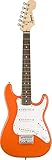
The Strat’s five-way switch is the reason it appears on so many clean-tone lists: positions 2 and 4 combine two pickups out of phase for a hollow, glassy sound that is useful for funk rhythm, neo-soul chords and clean pop arpeggios. It is also lighter than most hollow-bodies, so it is easy to gig with.
Fender Player II Stratocaster · solid body · 3 single coils · 25.5 in scale · 5-way switch
- Three single-coil pickups with a five-way selector for the bell-like “in-between” positions.
- Solid body with a modern C-shaped neck and 25.5 in scale.
- Vintage-style synchronized tremolo bridge on most versions.
- Available in many finishes, with maple or rosewood fingerboards.
Best for: funk, neo-soul rhythm, pop and any style that needs a bright, percussive clean tone.
Skip if: hum from single coils bothers you in a noisy room.
Pros:
- Positions 2 and 4 deliver the “quack” that defines funk rhythm guitar.
- Lightweight and comfortable.
- Huge range of accessories and upgrades.
Cons:
- Single-coil hum.
- Thin sound for some players without the right amp.
6. Squier Classic Vibe 60s Jazzmaster: Best for Lo-Fi, Ambient and Dreamy Tones
The Jazzmaster’s wide single coils and long vibrato tail give it a distinctive, spacious tone. It is also associated with indie, surf and shoegaze, so players interested in washed-out textures often start here. Read the vibrato setup instructions before the first gig, as the floating bridge can be unforgiving if strings are changed carelessly.
Squier Classic Vibe 60s Jazzmaster · offset body · 2 single coils · floating vibrato · 25.5 in scale
- Offset body with two wide single-coil pickups and a floating vibrato.
- 25.5 in scale, with Classic Vibe-voiced pickups.
- Rhythm circuit for a dark, mellow tone on a small slider switch.
- Available in Sonic Blue and other vintage-style finishes.
Best for: lo-fi, ambient, dream-pop and indie, where gentle vibrato and reverb are as important as the notes.
Skip if: you want a tuning-stable vibrato for aggressive dive-bombs.
Pros:
- Distinct, spacious clean voice.
- Rhythm circuit is useful for mellow tones.
- Comfortable offset body.
Cons:
- Floating vibrato needs patience to set up.
- Single-coil noise.
7. Gretsch G5622T Electromatic: Best for Country-Tinged R&B and Rockabilly Soul
Gretsch G5622T Electromatic Center Block · double-cut · Bigsby · 2 humbuckers
- Center-block double-cut body for sustain with controlled feedback.
- Bigsby vibrato for subtle pitch wobbles and swells.
- Gretsch-voiced humbuckers with a bright but full character.
- Cadillac green and other vintage-inspired colors.
Best for: players who like their cleans with a bit of twang, chime and rock-and-roll character.
Skip if: you dislike the extra tuning care that a Bigsby requires.
Pros:
- Distinct, chimey voice that stands out.
- Center block lets you push the volume.
- Eye-catching appearance.
Cons:
- Higher price tier among these picks.
- Bigsby adds complexity when changing strings.
Also Consider
- Fender Player II Telecaster: solid body · 2 single coils · 25.5 in. The Tele’s bridge pickup is a funk and country staple, and the neck pickup is smooth for neo-soul.
- Gretsch G5210-P90 Electromatic Jet Two 90: solid body · 2 P-90s. A good alternative if you want P-90 clarity without a hollow body.
- Squier Classic Vibe 70s Thinline Telecaster: semi-hollow · humbucker/single-coil mix. A lightweight route to Tele twang with extra warmth.
- Godin 5th Avenue Kingpin P90: archtop · P-90 pickup. A throwback hollow guitar with a jazzy, woody tone, aimed at small-room playing.
Genre Guide: Which Clean Guitar for Which Style?
| Genre | Pickup position | Guitar type | Strings |
|---|---|---|---|
| R&B | Neck humbucker, tone rolled to 6-7 | Semi-hollow (ES-335, AS73) | 10-46 roundwound |
| Neo-soul | Neck or position 2 on a Strat | P-90 hollow (Casino) or Strat | 10-46 roundwound or half-round |
| Funk | Positions 2 and 4 | Single-coil Strat or Tele | 9-42 or 10-46 roundwound |
| Reggae | Bridge single coil, bright tone | Casino, Strat, Tele | 10-46 roundwound |
| Lo-fi | Neck pickup, tape-style effects | Jazzmaster or AS73 | 10-46, older strings welcome |
| Ambient | Any, with reverb and delay | Jazzmaster, AF55 | 10-46 or 11-50 for stability |
| Bossa nova | Neck pickup, tone rolled to 4-5 | Hollow-body (AF55) | 11-50 flatwound |
How Each Style Uses a Clean Guitar
The same guitar can sound wrong in one genre and perfect in another, mostly because of how the right hand and the signal chain are used. These notes explain what each style asks of the instrument.
R&B and neo-soul
Both styles rely on extended chords such as major sevenths, ninths and thirteenths played with a soft touch. The guitar has to stay articulate when four or five notes ring together, which is where low-output pickups and a shorter scale help: notes separate instead of smearing. Players often work the neck pickup with the tone control rolled down a few notches and let a touch of compression keep the chords even. A fuller body such as the ES-335 or Casino helps the chord stay rounded under a vocal.
Funk
Funk guitar is a rhythm instrument first. The goal is a short, percussive sound with a snappy attack and a lot of muted “chank” strokes. Bright single coils in the in-between switch positions are the classic recipe, paired with a clean amp, a compressor and light picking dynamics. Hollow bodies are less common here because the sustain blurs the rhythm.
Reggae
Reggae uses upstrokes on the offbeat, often on just the top three or four strings, with a short staccato decay. Brightness and a quick attack matter more than sustain. A bridge single coil or P-90 with the tone fully open and a touch of spring reverb is a typical sound. A guitar that stays quiet between strokes is a bonus, which is why muted playing and tidy setup count.
Lo-fi
Lo-fi guitar embraces imperfection. Soft chords, slightly dark tone, and a hint of tape-style wobble or reverb are the staples. A Jazzmaster with its vibrato, or a semi-hollow with the tone rolled back, hits that sound without needing heavy processing. Older strings and a slightly dulled top end are a feature rather than a problem here.
Ambient music
Ambient playing is about swells, delays and sustained pads. The guitar needs to hold a note cleanly, sit still under a volume pedal and tolerate a lot of reverb without turning to mush. Long sustain from a center-block or solid body, plus a stable tuning, matters more than a distinctive body tone. A guitar with a vibrato arm gives you a gentle way to bend pitch under washes of sound.
Bossa nova
Bossa nova is typically played fingerstyle on a nylon-string guitar, but electric players adapt it by using a hollow body, the neck pickup and flatwound strings. The aim is a soft, rounded attack with a deep bass thumb and a gentle chord-melody flow. Keep the tone knob low and the amp clean with just a hint of room reverb.
Pairing Your Guitar With Amps and Pedals
A clean-tone guitar is only half the picture. Because clean sounds expose every detail, a few signal-chain decisions matter more than they would in a distorted rig.
- Amp choice: look for a clean channel that stays clear at your gig volume. Many players like American-voiced amps for sparkly cleans and British-voiced amps for a warmer midrange. Modeling amps can cover both.
- Compression: a light compressor evens out picking dynamics, a staple of funk and R&B comping. Set the ratio low and the attack slow enough to let the pick transient through.
- Reverb: spring reverb suits funk and reggae, plate reverb suits R&B and neo-soul, and long hall settings suit ambient and lo-fi.
- Chorus and tremolo: a subtle chorus adds the shimmer heard on many neo-soul and 80s-inspired R&B tracks, while tremolo adds movement for lo-fi and dream-pop.
- Cables and buffering: long cable runs with single-coil guitars can roll off the top end. A buffered pedal or a short, low-capacitance cable keeps the sparkle.
Setup Tips That Keep Cleans Sounding Clean
- Set pickup height carefully. Pickups set too close to the strings cause a harsh, compressed tone and can create wolf tones on a hollow body. Lower them slightly for a rounder clean.
- Check the nut and bridge. A poorly cut nut or a sticky vibrato makes chords sound out of tune, which is far more noticeable on a clean tone than a distorted one.
- Replace old strings when the sound dulls. Brightness fades with age; fresh strings give a clearer clean tone, except in lo-fi styles where older strings may be desirable.
- Use the guitar’s controls. Rolling the tone to 6 or 7, or using the neck-and-middle switch position on a Strat, changes a guitar’s character more than any pedal.
- Tame feedback on hollow bodies. Stand a few feet from the amp, turn the volume down on the guitar when you stop playing, and if needed use a soft foam strip under the strings near the bridge.
How We Chose
This list is built from research, not from handling the guitars. We compared maker spec sheets from Epiphone, Ibanez, Fender, Squier and Gretsch, retailer listings, and published player and magazine reviews. We asked a simple question: which guitars give you a clean signal that stays clean when the amp is turned up, and which suit the genres people search for alongside clean tones? We kept each brand to two picks at most, avoided bundles and renewed instruments, and excluded guitars with high-gain pickups as their main selling point.
Buying Guide: Choosing a Guitar for Clean Tones
Pickup type
Single coils are brightest and sparkliest, ideal for funk and neo-soul rhythm. P-90s add body and bite while staying fairly clear. Humbuckers are quiet and thick; look for vintage-voiced, medium-output sets rather than hot, high-gain ones. If you want a rule of thumb, a measured DC resistance of roughly 5 to 8 kilo-ohms usually signals a single coil or lower-output pickup, while 12 kilo-ohms and above tends toward heavier humbuckers.
Body style
Hollow bodies offer the most air and the most feedback risk; semi-hollows trade a little air for stability; solid bodies are the most controlled. Choose based on stage volume: bedroom and small-room players can enjoy hollow bodies, while loud stages favor a center block.
Headroom: a worked example
Amp headroom depends on power. A 50-watt amp has 50/15 = 3.33 times the power of a 15-watt amp. In decibels, that is 10 x log10(3.33), or about 5.2 dB. A 5 dB change is audible, but it does not mean the 50-watt amp is five times louder; it means it can stay clean at a noticeably higher level before breaking up. For clean-focused playing, many players choose 30 to 50 watts with a solid-state or pedal-platform amp, or a lower-wattage tube amp if they like a touch of natural compression.
Strings and gauge
Heavier gauges (11-50 or 12-52) increase clean tone and sustain, but demand more finger strength. Flatwound strings take brightness out of a hollow body and suit bossa nova and jazz; roundwounds keep funk and reggae lively.
Neck feel and scale
Shorter 24.75 in scales feel slack and warm, helping jazz-influenced chord shapes, while the 25.5 in scale gives more snap. Try to match the scale to the style you will play most.
Add reverb, compression and a good cable
Clean tone is as much about the signal chain as the guitar. A transparent compressor evens out dynamics for funk, a spring or plate reverb adds depth for neo-soul and lo-fi, and a low-capacitance cable keeps the top end intact.
Left-handed players
Left-handed versions exist for some lines, including the Epiphone Casino; check availability before ordering.
Frequently Asked Questions
What is the best guitar for clean tones?
There is no single best, but hollow and semi-hollow guitars with low-output pickups, such as the Epiphone Casino, ES-335 and Ibanez Artcore AS73, are common choices. A Strat-style single-coil guitar is the best bet for bright, funky cleans.
What guitar is best for R&B and neo-soul?
Semi-hollow guitars like the Epiphone ES-335 suit R&B chord work, while P-90 hollow bodies such as the Casino and single-coil Strats are frequent picks for neo-soul comping.
What is the best guitar for funk?
A single-coil guitar such as the Fender Player II Stratocaster. Use positions 2 and 4, a light compressor and short, muted strumming.
Which guitar suits reggae?
Reggae favors bright, short chords, so a bridge-position single coil or P-90 guitar like the Casino or a Stratocaster works well.
What guitar should I use for lo-fi and ambient music?
The Squier Classic Vibe 60s Jazzmaster is a natural fit for its spacious tone and vibrato, and the Ibanez AS73 gives a warmer hollow-style voice.
What is the best guitar for bossa nova?
A hollow-body such as the Ibanez Artcore AF55 played at the neck pickup with the tone rolled back, ideally with flatwound strings, gets close to the soft, rounded bossa nova sound.
Do I need a tube amp for clean tones?
No. Many solid-state and modeling amps are excellent for clean playing, and they often offer more headroom per watt than small tube amps.
Which One Should You Buy?
- Chord-focused neo-soul and reggae: Epiphone Casino.
- R&B comping with stage control: Epiphone ES-335.
- Warm, affordable jazz-tinged semi-hollow: Ibanez Artcore AS73.
- Bossa nova and ambient softness: Ibanez Artcore AF55.
- Funk and bright neo-soul: Fender Player II Stratocaster.
- Lo-fi and dreamy ambience: Squier Classic Vibe 60s Jazzmaster.
- Twangy, characterful cleans: Gretsch G5622T.
Sources
Epiphone, Ibanez, Fender, Squier and Gretsch maker spec pages; Fender and Gretsch pickup documentation; retailer listing specifications; published player and magazine reviews.
Last updated: October 2026




Write Your Review
No reviews yet. Be the first to share your experience!