

Key takeaways
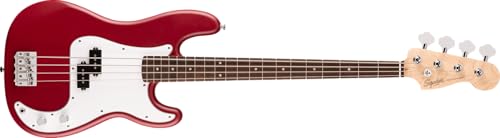
- First bass on a tight budget: A Yamaha TRBX174 or Squier Sonic Precision Bass offers a familiar layout and straightforward controls. Try both if possible: their pickup configurations and neck feel differ.
- One bass for varied styles: A Fender Player II Jazz Bass, with two single-coil pickups and separate volume controls, covers a broad range of tones. A Yamaha TRBX504 adds active/passive flexibility.
- Small hands or a softer, rounder feel: A short-scale option such as the Squier Classic Vibe 60s Mustang Bass can feel more compact than a standard 34-inch bass.
- Recording with minimal hum: Consider a bass with hum-cancelling pickups, such as a Music Man StingRay-style configuration, or a split-coil P-style bass for a familiar, relatively noise-resistant sound.
- Long live sets: Favor a bass that stays balanced on a strap, has dependable tuning hardware, and lets you reach the controls without shifting your playing position. Weight alone doesn’t predict comfort.
Best Bass Guitars for Every Playing Style
The best bass guitar for most players is a comfortable, well-balanced 34-inch four-string with a flexible pickup setup; choose a short scale for smaller hands or a rounder feel, and prioritize low noise, neck stability, and stage comfort if you record or play live. The right pick depends less on a “best” model than on how its scale, pickups, neck, balance, and electronics fit your hands, music, and budget.
Quick picks by situation
- First bass on a tight budget: A Yamaha TRBX174 or Squier Sonic Precision Bass offers a familiar layout and straightforward controls. Try both if possible: their pickup configurations and neck feel differ.
- One bass for varied styles: A Fender Player II Jazz Bass, with two single-coil pickups and separate volume controls, covers a broad range of tones. A Yamaha TRBX504 adds active/passive flexibility.
- Small hands or a softer, rounder feel: A short-scale option such as the Squier Classic Vibe 60s Mustang Bass can feel more compact than a standard 34-inch bass.
- Recording with minimal hum: Consider a bass with hum-cancelling pickups, such as a Music Man StingRay-style configuration, or a split-coil P-style bass for a familiar, relatively noise-resistant sound.
- Long live sets: Favor a bass that stays balanced on a strap, has dependable tuning hardware, and lets you reach the controls without shifting your playing position. Weight alone doesn’t predict comfort.
Compare the choices that change how a bass feels
Scale length is the distance from the nut to the bridge, not the total body length. A shorter scale reduces the spacing between frets and usually gives strings a looser feel at the same tuning and string gauge. A 34-inch scale is the common standard; it often feels firmer and can be a practical fit for lower tunings, though string choice and setup matter too. A 35-inch bass can add tension for low notes, but its reach may be less comfortable.
Our top picks


As an Amazon Associate we earn from qualifying purchases at no extra cost to you. Ratings are shown as listed on Amazon.
Pickup layout shapes both sound and noise behavior. A split-coil Precision-style pickup tends toward a focused, solid fundamental. Two single-coil Jazz-style pickups offer more blending options but can hum, particularly when either pickup is used alone. Humbuckers and hum-cancelling designs reduce that concern, while active electronics can add onboard EQ and output flexibility. Active circuitry also means keeping a spare 9-volt battery available.
| Type or example | Scale | Pickup / electronics | Typical price range | Best fit |
|---|---|---|---|---|
| Squier Sonic Precision Bass | 34 in | Split-coil; passive | About $200–$300 | First bass, simple rock or pop setup |
| Squier Classic Vibe 60s Mustang Bass | 30 in | Single-coil; passive | About $400–$500 | Compact reach and short-scale feel |
| Fender Player II Jazz Bass | 34 in | Two single-coils; passive | About $800–$1,000 | Players who want pickup blending |
| Yamaha TRBX504 | 34 in | Dual humbuckers; active/passive | About $600–$800 | Flexible tones for gigs and recording |
| Ernie Ball Music Man StingRay Special | 34 in | Humbucker; active preamp | About $2,500–$3,500 | Distinctive, assertive sound and premium build |
Prices are approximate US market ranges and vary by finish, condition, and retailer. Model specifications can change, so verify the current version before buying. Listed scale lengths are common published specifications; individual setup and string gauge affect feel.
Choose by experience, room, and use
| Your situation | What to prioritize | Practical choice |
|---|---|---|
| New player, limited budget, practicing at home | Comfortable neck, stable tuning, simple controls | Entry-level passive four-string; leave money for an amp, strap, tuner, and setup |
| Small hands or frequent first-position playing | Shorter scale and manageable body depth | Try a 30-inch bass in person; check that the neck still feels secure |
| Recording several genres | Useful pickup blend, quiet electronics, consistent intonation | Jazz-style or dual-humbucker bass; consider active/passive switching |
| Regular gigs and long sets | Strap balance, comfortable weight, reliable hardware | Choose the bass that stays stable in playing position, not merely the lightest one |
| Low tunings or five-string parts | String tension, nut width, low-B clarity | Compare a 35-inch five-string with a well-set-up 34-inch model before deciding |
Neck, body, and balance: check the fit, not the label
Neck profiles are often described as C, U, or slim, but those labels are not standardized across brands. Nut width, neck depth, shoulder shape, and fretboard radius all affect the feel. A narrow nut can make fretting compact, while a deeper profile may feel more supportive to some hands. If you can try a bass, play open-position chords or lines, then move up the neck. A neck that feels easy only at the first few frets may not suit your full playing range.
Body shape and strap-button placement determine whether a bass hangs evenly. Some instruments develop “neck dive,” where the neck drops when you let go; this can become tiring during a set. Test the bass on a strap in your normal standing position. Also check whether the lower horn or body edge presses into your arm, and whether you can reach the upper frets without twisting your wrist.
Weight is worth checking, but it is not a comfort score by itself. A heavier instrument with good balance may feel steadier than a lighter one that pulls the neck down. If buying online, look for the weight of the individual instrument when available; examples of the same model can vary.
Where the money goes—and what to budget for
At roughly $200–$500, expect capable beginner instruments, usually with simpler finishes and hardware. The next tier, around $500–$1,000, often brings more consistent fretwork, improved components, and broader electronics choices. Above that, you may be paying for higher-end materials, detailed finishing, specialized pickups, or construction—not an automatic improvement in tone for every player.
Include setup costs in the first-year budget. A professional setup can correct action, intonation, and neck relief for your playing style; it cannot fix every manufacturing problem, so inspect fret ends, tuning stability, and noisy controls before purchase. If your bass has active electronics, budget for batteries. Strings are a recurring expense: how often to replace them depends on playing frequency, sweat, sound preference, and care. Wipe strings and the neck after playing, and store the instrument away from damp conditions and extreme temperature changes.
A common beginner mistake is buying an expensive bass while leaving too little for an amplifier and reliable tuning. Another is choosing string gauge or tuning changes without a setup; altered tension can affect action and intonation. If you change tuning substantially, have the instrument checked rather than assuming the original setup still fits.
A practical final decision
For a first instrument, pick a standard four-string passive bass that feels comfortable and leaves room in your budget for the rest of the rig. For recording, prioritize quiet, usable pickup combinations and stable intonation. For frequent live playing, give strap balance and standing comfort the same attention as pickups. Compare two or three candidates at the same price, use the same strap and playing position, and choose the one that makes relaxed, accurate playing easiest.




Write Your Review
No reviews yet. Be the first to share your experience!